It's hard to fathom how Apple managed to create a $600 laptop that doesn't feel like an afterthought, a common pitfall for many budget Windows notebooks. While the MacBook Neo features a slower A-series processor and is limited to 8GB of RAM, its design and user experience are remarkably refined, rivaling even Apple's premium offerings. The screen, trackpad, and overall usability significantly outperform most competitors, leaving even Microsoft's efforts in the dust.
I've long argued that a budget MacBook could be a powerful tool for Apple to attract Windows users, and after a week with the Neo, I'm more convinced than ever. It's sufficiently fast for basic productivity tasks, robust enough for classroom use, and its $599 price point is hard to beat. Once Windows users realize that switching to macOS isn't as daunting as they think, Apple could see another major success on its hands.
What's so Neo about this MacBook?
I initially chuckled at the MacBook Neo's name, which seems more like something a brand like ASUS or Acer would use. However, the term "Neo" signifies more than just a trendy label—it represents a new category of MacBook from Apple. This is the first time the company has offered a model under $1,000, powered by a mobile A-series chip, and likely to be the first Mac for many users.
The MacBook Neo marks Apple's first value-focused notebook under $1,000. While the iBook G3 was aimed at kids and launched at $1,599 in 1999, and the original MacBook Air started at $1,799 in 2008, it wasn't until 2014 that Apple brought the price down to $999. The M1 MacBook Air was later sold at Walmart for $699 in 2024, eventually dropping to $650 last year. During holiday sales, it was even available for $499. These steps show Apple's growing interest in the budget market.
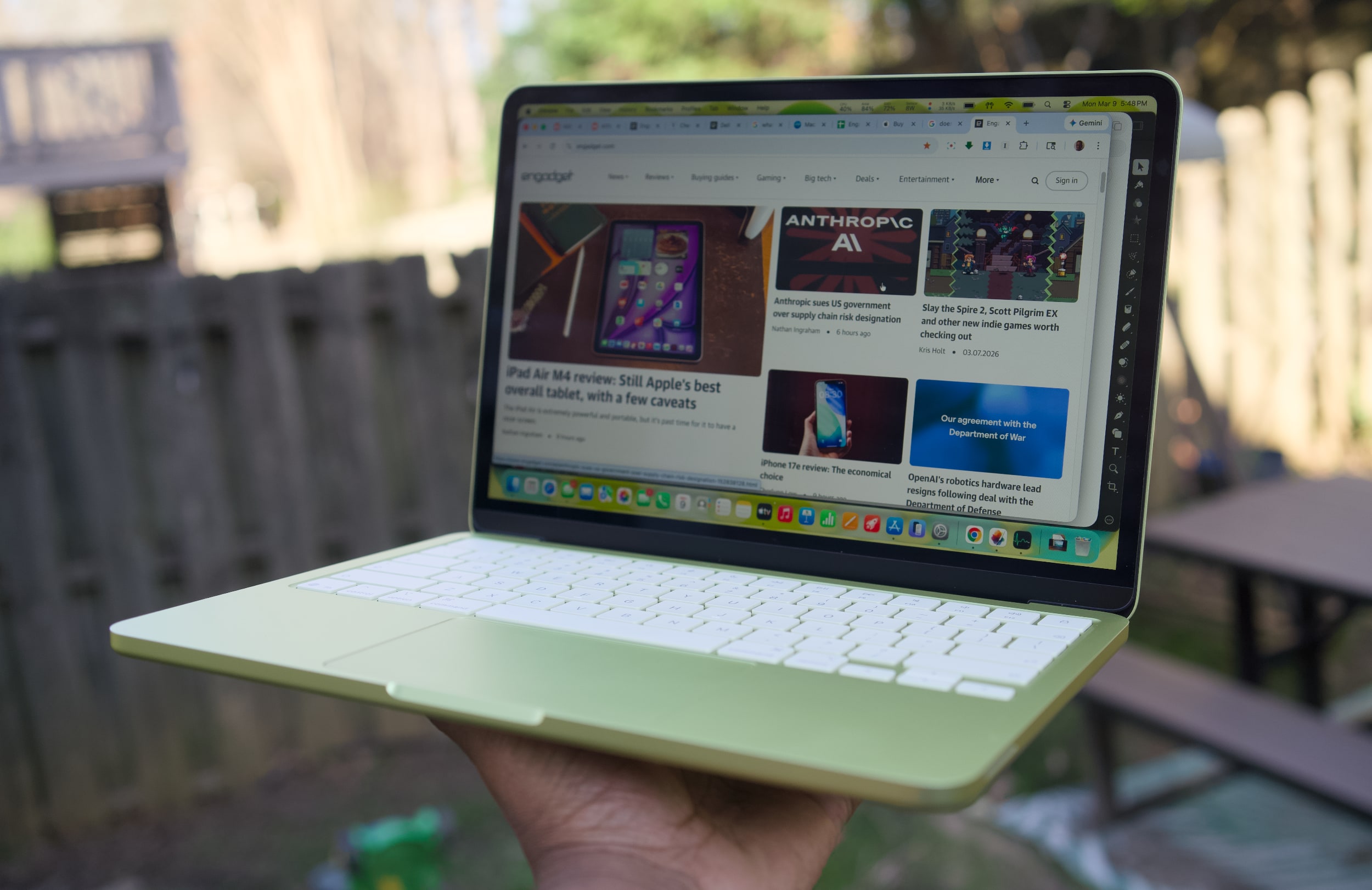
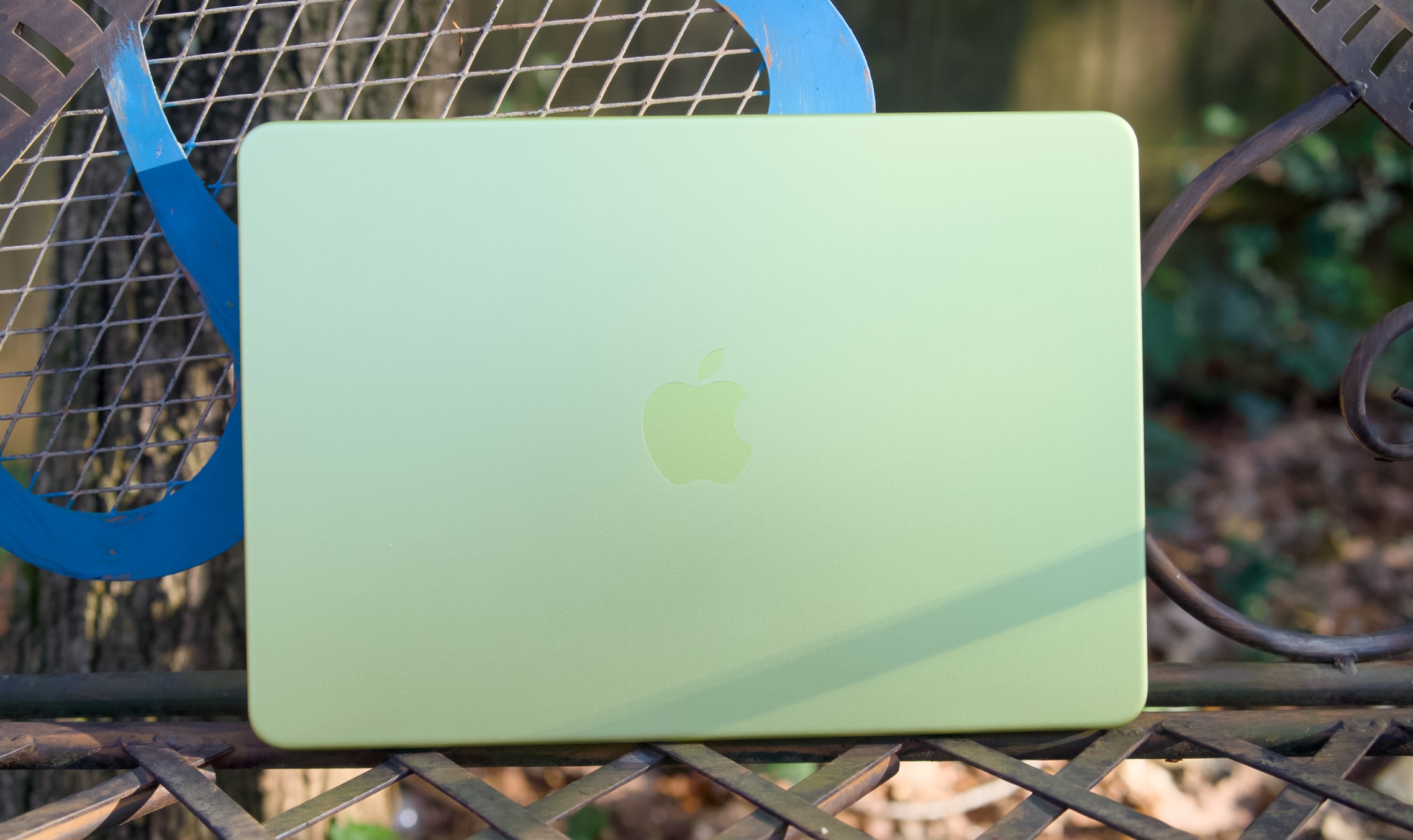
The Neo's design is notably modern, featuring an all-aluminum case similar to the current Air, though slightly smaller and weighing the same 2.7 pounds. Color options include bold choices like greenish citrus and pink blush, alongside Apple's standard dark and light cases. The citrus hue stands out, offering a fresh look compared to previous rose gold models. More vibrant color options would have been appreciated, as personalization is increasingly important to consumers.
Under the hood, the MacBook Neo is a compromise, more so than any previous MacBook. To meet the $599 price point, Apple opted for the A18 Pro chip used in the iPhone 16 Pro, which is more cost-effective than older M-series chips no longer in production. This choice also limits the ports to two USB-C connections (one USB 3.0, one USB 2.0) and excludes MagSafe charging, which is a drawback given the Neo's potential use in schools and homes.
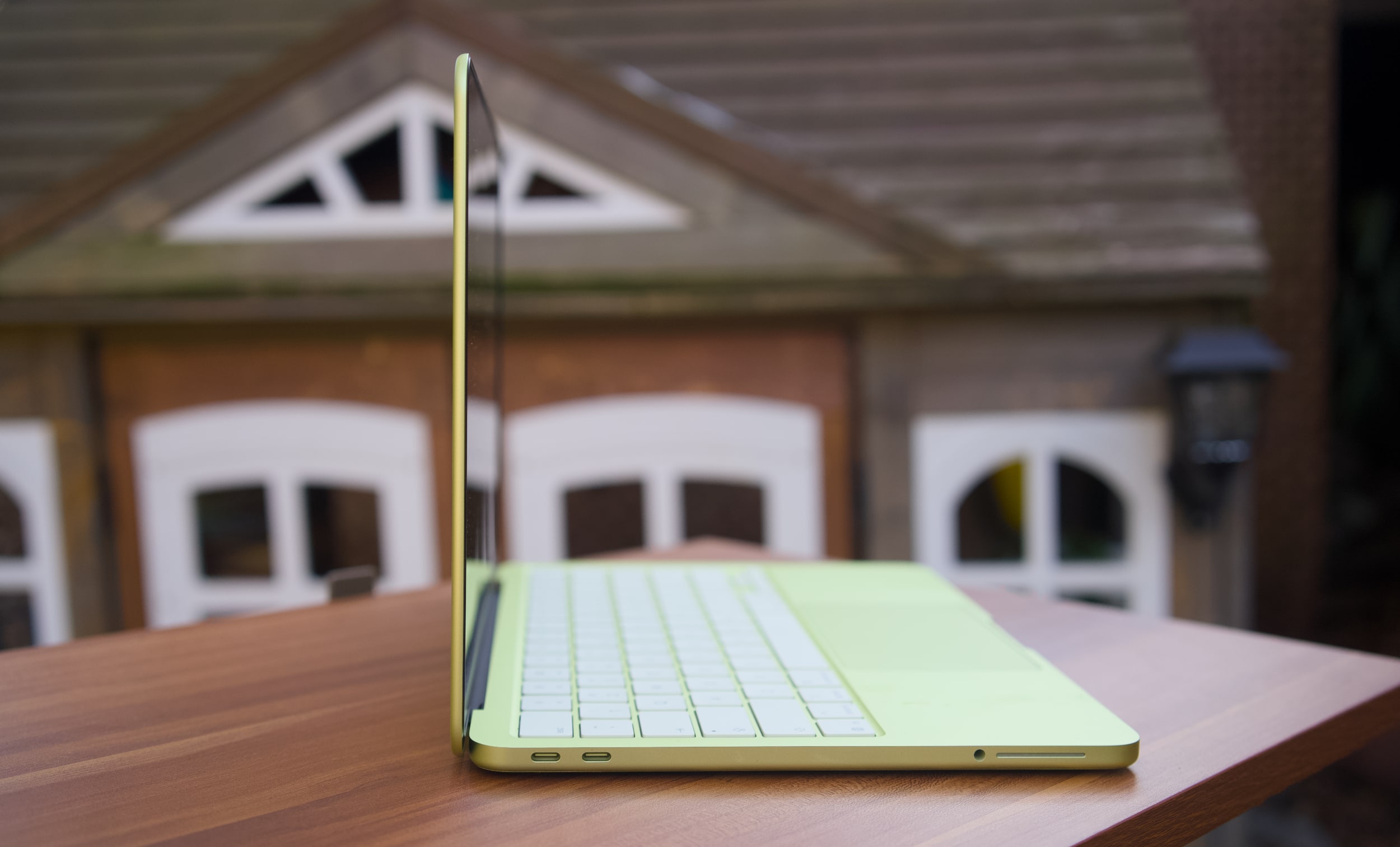
The most significant trade-off is the 8GB of RAM and 256GB SSD starting configuration. Users can upgrade to 512GB storage and add a Touch ID button for an extra $100, but RAM cannot be expanded. My recommendation for most users remains 16GB of memory, especially considering Apple’s unified memory architecture. For those prioritizing performance over cost, the MacBook Air offers better flexibility in terms of RAM and storage configurations.
Apple deserves credit for including an impressive 1080p webcam in the Neo, a feature not commonly found in $600 Windows laptops. The webcam delivers sharp and vibrant image quality, making it difficult to distinguish from higher-end MacBooks during video calls.
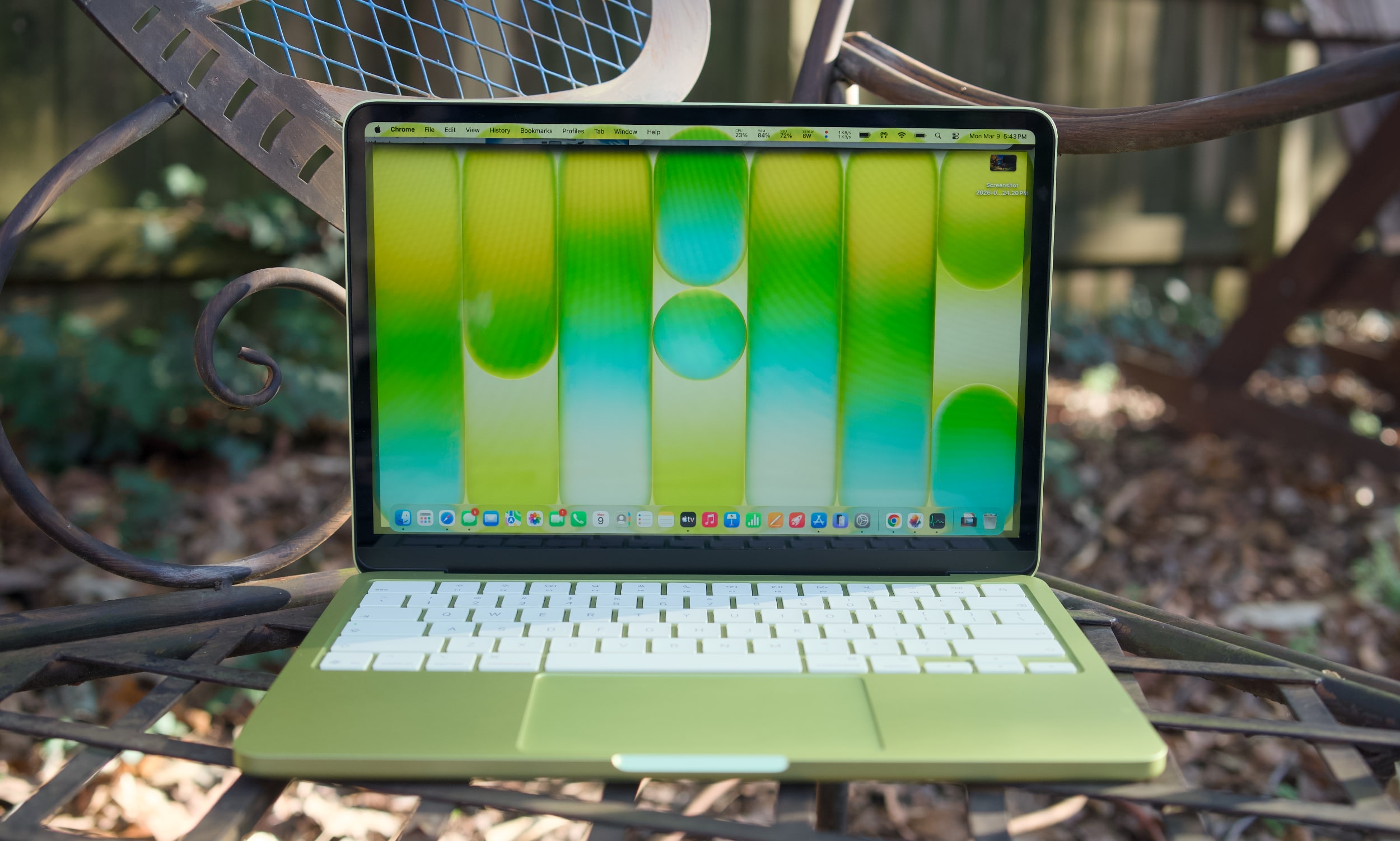
The keyboard on the Neo felt slightly flimsier during the initial demo, but my review unit performed well, allowing for efficient typing at near 100 words per minute. The trackpad is similarly responsive and accurate, despite using a mechanical click rather than a haptic Force Touch mechanism. Unlike some budget PC trackpads, the Neo's pad is fully clickable and provides a smooth experience.
Enough Mac for most
I expected limited performance from the Neo's A18 Pro processor and modest specs, but it exceeded my expectations. It handled multiple browser tabs, a TV app, photo editing in Pixelmator Pro, and running the Apple Arcade title Oceanhorn 3 without noticeable lag. Efficient memory management ensures that the system performs well for everyday tasks.
The Neo's RAM usage typically stayed between 80 and 85 percent when stressed, never exceeding that range. Even with no other apps running, the Neo used around 50 percent of its memory just to run macOS. Most users would likely not notice a significant difference between the Neo and the Air for basic tasks. Both models feature similar screen resolutions, with the Neo's slightly lower resolution offset by its smaller 13-inch size, resulting in comparable pixel density. The screen is vibrant indoors and bright enough for outdoor use, a rare feature among $600 laptops.

During a launch event demo, the Neo's screen was compared side-by-side with a $600 HP laptop, highlighting the stark difference in display quality. The Neo's screen made photos appear more vivid, while its speakers delivered better sound quality than the HP's tinny audio. However, the Neo's speakers lack the clarity and low-end punch of the Air and MacBook Pro's upward-facing designs.
Geekbench 6 CPU |
Geekbench 6 GPU |
Cinebench 2024 |
|
Apple MacBook Neo (A18 Pro) |
3,372 /8,406 |
19,511 |
107/324 |
Apple MacBook Air 13-inch (M4, 2025) |
3,784/14,745 |
36,273 |
172/660 GPU: 3,465 |
Apple MacBook Air 13-inch (M3, 2024) |
3,190/12,102 |
30,561 |
N/A |
Microsoft Surface Pro 12-inch (2025, Qualcomm Snapdragon X Plus) |
2,315/10,915 |
9,539 |
108/530 |
The MacBook Neo's performance in Geekbench 6's CPU benchmark places it between the M2 and M3 MacBook Air for single-core tests and below the M2 for multi-threaded work. Apple's hardware still outperforms Intel and AMD in single-threaded scores, though beefier CPUs with active cooling will generally offer better performance. Despite these limitations, the Neo proves to be a functional and well-rounded device at $599.
Microsoft's $800 Surface Pro 12-inch, while visually appealing, fell short in performance, requiring additional costs for the keyboard. The 2.2-pound Asus ZenBook A14 was impressively light but too slow for practical use. Apple could have made the Neo lighter, but maintaining the 2.7-pound weight of the Air strikes a better balance between portability and performance.
The Neo's only real failure came when attempting to run complex games designed for Apple's M-series chips. Lies of P installed successfully but crashed upon launching due to shader issues. Gaming on the Neo is limited to titles optimized for Apple Arcade and cloud streaming services like GeForce Now or Xbox.
During our battery test, the Neo lasted 12 hours and 15 minutes, significantly less than the 18 hours and 15 minutes of the M4 MacBook Air. However, this duration is sufficient for a typical work or school day. Apple had to reduce the battery size to keep costs down, which is a necessary trade-off for the price point.
Should you buy the MacBook Neo?
It's rare for Apple to surprise me, but the MacBook Neo did just that. At $599, it handles basic workloads effectively and looks like one of Apple's more expensive models. Most importantly, it outperforms any competing $600 Windows PC in speed, screen quality, and overall user experience. Its performance is so impressive that it might make many users question why they've stuck with subpar PCs for so long.