- Planet Earth
- Rivers & Oceans
An expedition off the coast of Massachusetts has confirmed the existence of a freshwater reservoir beneath the seafloor. Now, scientists are starting to understand when and how it formed.
When you purchase through links on our site, we may earn an affiliate commission. Here’s how it works.
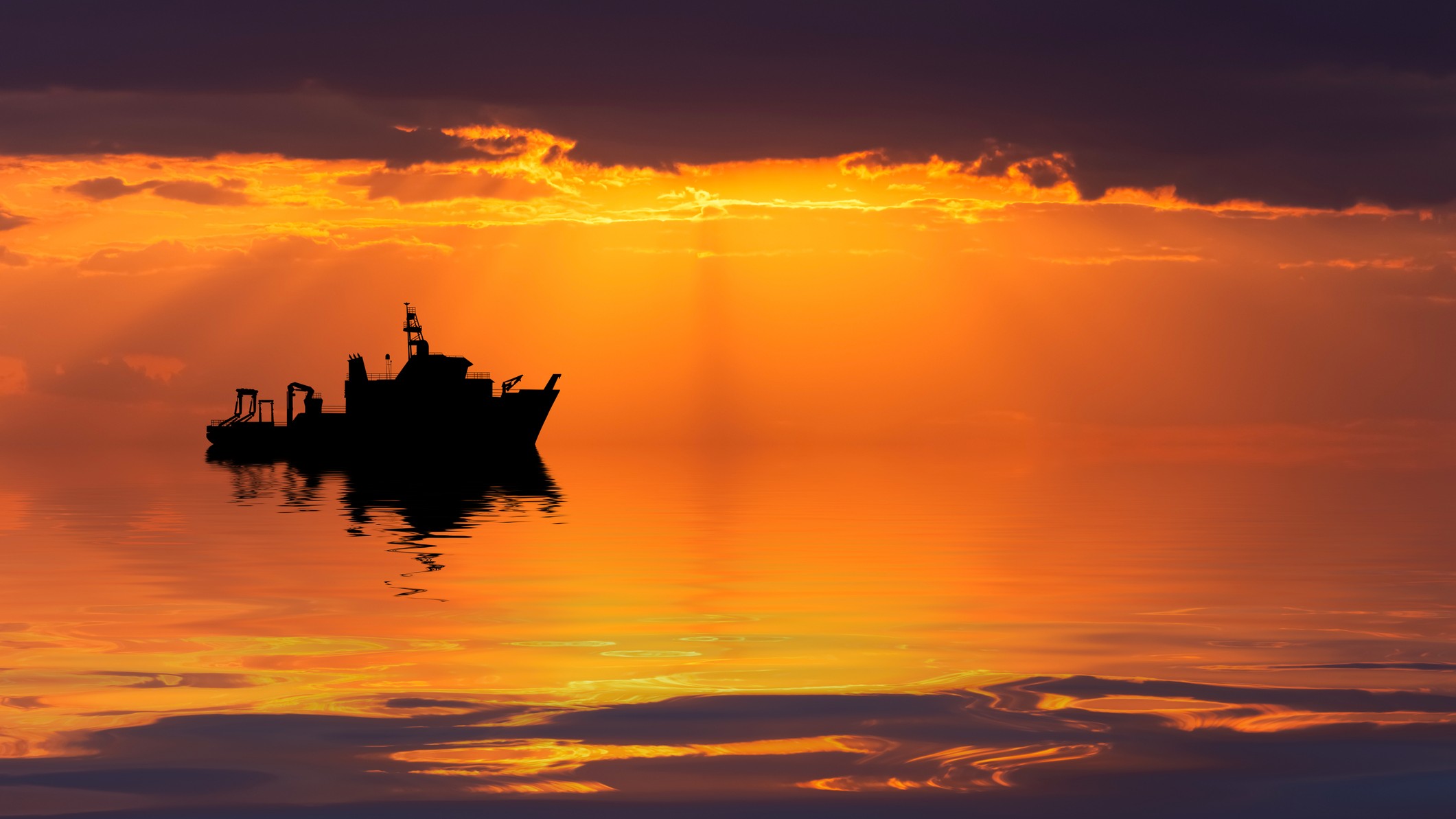 Researchers are figuring out how a giant fresh water reservoir ended up under the ocean off the East Coast.
(Image credit: Anton Petrus/Getty Images)
Share
Share by:
Researchers are figuring out how a giant fresh water reservoir ended up under the ocean off the East Coast.
(Image credit: Anton Petrus/Getty Images)
Share
Share by:
- Copy link
- X
A giant reservoir of "secret" fresh water off the East Coast that could potentially supply a city the size of New York City for 800 years may have formed during the last ice age, when the region was covered in glaciers, researchers say.
Preliminary analyses suggest the reservoir, which sits beneath the seafloor and appears to stretch from offshore New Jersey as far north as Maine, was locked in place under frigid conditions around 20,000 years ago, hinting that it formed in the last glacial period due, partly, to thick ice sheets.
You may like-
 Enough fresh water is lost from continents each year to meet the needs of 280 million people. Here's how we can combat that.
-
 Californians have been using far less water than suppliers estimated — what does this mean for the state?
-
 World's oldest rock art, giant reservoir found beneath the East Coast seafloor, black hole revelations, and a record solar radiation storm
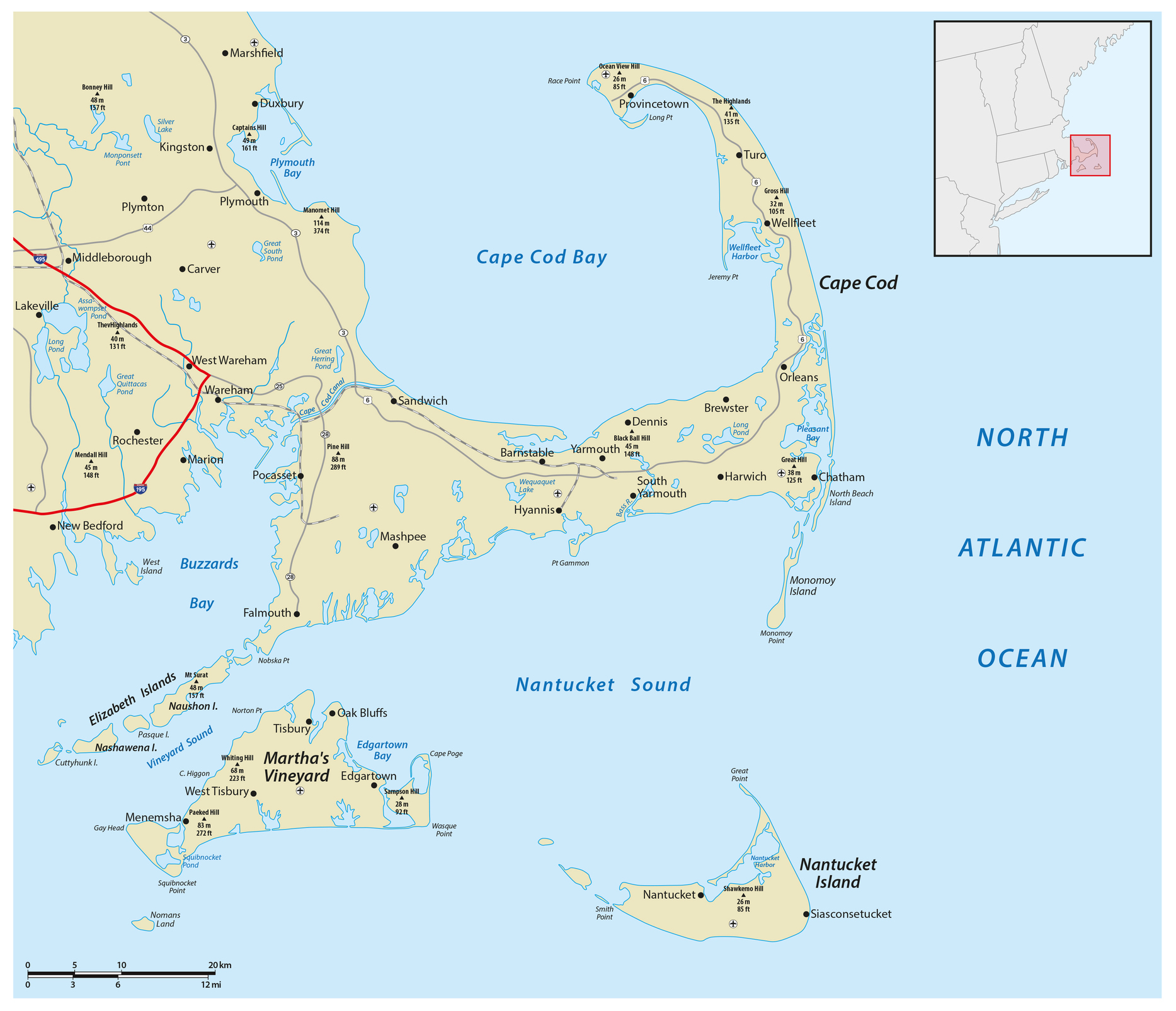
The research voyage, known as Expedition 501, lasted three months and dredged up 13,200 gallons (50,000 liters) of water from beneath the seafloor in three locations off the islands of Nantucket and Martha's Vineyard. The results aren't finalized yet, but so far it looks as if the reservoir might stretch farther underground than early reports suggested, meaning it might be even bigger than previously thought.
Dugan and his colleagues also think they know what created the reservoir thanks to preliminary radiocarbon, noble gas and isotope analyses, he said.
Fresh water in the region was first reported 60 years ago by the U.S. Geological Survey (USGS), during offshore mineral and energy resource assessments between Florida and Maine. "In a very peculiar way, they found fresh water in the sediment beneath the ocean," Dugan said. "In the 1980s, some of the USGS people came up with ideas of how that fresh water could get there. Then it went quiet for a while — no one was talking about it."
In 2003, Dugan and Mark Person, a professor of hydrology at the New Mexico Institute of Mining and Technology, rediscovered these records and came up with three ideas of how fresh water can end up beneath the ocean. One way that a submarine freshwater reservoir can form is if sea levels are very low for a long time and rainfall seeps into the ground. Then, when sea levels rise again over hundreds of thousands of years, that fresh water gets trapped in the underlying sediment, Dugan said.
Sign up for the Live Science daily newsletter nowContact me with news and offers from other Future brandsReceive email from us on behalf of our trusted partners or sponsorsBy submitting your information you agree to the Terms & Conditions and Privacy Policy and are aged 16 or over.A second possibility is that tall mountains close to the ocean funnel rainwater directly down into the seabed from their high elevation point, he said. And thirdly — related to the first hypothesis — a freshwater reservoir can form under the ocean if ice sheets expand, causing sea levels to drop. Meltwater collects at the bottom of ice sheets because they grind against the bedrock, producing heat. The huge weight of the ice sheet then pushes that water into the ground, trapping it beneath layers of sediment.
More than two decades later, the researchers are finally close to getting an answer, with preliminary data indicating that most of the fresh water came from glaciers some time during the last ice age (2.6 million to 11,700 years ago). "We kind of ruled out the large topography for New England, because we don't have big mountains next to the coast," Dugan said. However, "there might be a rainfall component" blended in the glacier water, he said. "You can imagine that in front of a glacier you have rainfall, so it's probably a mixed system."
Expedition 501 extracted water samples from sites 20 to 30 miles (30 to 50 kilometers) off the coast of Massachusetts. The researchers drilled down to 1,300 feet (400 meters) below the seafloor, which was deep enough to reveal a thick layer of sediment engorged with fresh water sitting beneath a layer of salty sediment and an impermeable "seal" of clay and silt.
You may like-
Californians have been using far less water than suppliers estimated — what does this mean for the state?
-
World's oldest rock art, giant reservoir found beneath the East Coast seafloor, black hole revelations, and a record solar radiation storm
-
 Giant structure discovered deep beneath Bermuda is unlike anything else on Earth
"We have a seal at the top [of the fresh water] that keeps the seawater above from the fresh water below," Dugan said. This seal is strong enough to separate the two layers now, but it wasn't robust enough to stop a glacier from forcing water down through it — if that is what happened. "Whatever emplaced that water didn't care if there was a seal. There was enough energy to flush it with fresh water," he said.
Salinity measurements showed that water freshness in the reservoir drops with distance from the shore, but it stays well below ocean salinity in the areas studied last summer. The drill site closest to Nantucket and Martha's Vineyard had a salt content of 1 part per 1,000, which is the maximum safe limit for drinking water. Farther offshore, salt content was 4 to 5 parts per 1,000, and at the farthest site, the researchers recorded 17 to 18 parts per 1,000 — or about half of the ocean's average salt content.
RELATED STORIES—1.2 billion-year-old groundwater is some of the oldest on Earth
—Scientists discover enormous reservoir hidden in Cascades — more than twice the amount of water in Lake Mead
—Enough fresh water is lost from continents each year to meet the needs of 280 million people. Here's how we can combat that.
"The important part was we collected all the samples we need to address our primary questions," Dugan said. "When we're done drilling and we pull our equipment out, the holes collapse back in and seal themselves up."
Now, scientists are studying the reservoir in finer detail, including any microbes, rare earth elements, pore space — which can help researchers better estimate the reservoir's size — and the age of the sediments, which will help narrow down when it formed. More definitive results about how and when the reservoir formed are expected in about one month's time, Dugan said.
"Our goal is to provide an understanding of the system so if and when somebody needs to use it, they have information to start from, rather than recreating information or making an ill-informed choice," he said.
 Sascha PareSocial Links NavigationStaff writer
 Sascha is a U.K.-based staff writer at Live Science. She holds a bachelor’s degree in biology from the University of Southampton in England and a master’s degree in science communication from Imperial College London. Her work has appeared in The Guardian and the health website Zoe. Besides writing, she enjoys playing tennis, bread-making and browsing second-hand shops for hidden gems.
Show More CommentsYou must confirm your public display name before commenting
Please logout and then login again, you will then be prompted to enter your display name.
Logout Read more Californians have been using far less water than suppliers estimated — what does this mean for the state?
 World's oldest rock art, giant reservoir found beneath the East Coast seafloor, black hole revelations, and a record solar radiation storm
 Giant structure discovered deep beneath Bermuda is unlike anything else on Earth
 6 million-year-old ice discovered in Antarctica shatters records — and there's ancient air trapped inside
 Undersea lava rubble acts as a 'sponge' for carbon dioxide, study finds
 Collapse of key Atlantic current could bring extreme drought to Europe for hundreds of years, study finds
Latest in Rivers & Oceans
Collapse of key Atlantic current could bring extreme drought to Europe for hundreds of years, study finds
Latest in Rivers & Oceans
 Last year, the oceans absorbed a record-breaking amount of heat — equivalent to 12 Hiroshima bombs exploding every second
 Giant underwater plumes triggered by 7-story waves at Nazaré captured off Portuguese coast
 18 of Earth's biggest river deltas — including the Nile and Amazon — are sinking faster than global sea levels are rising
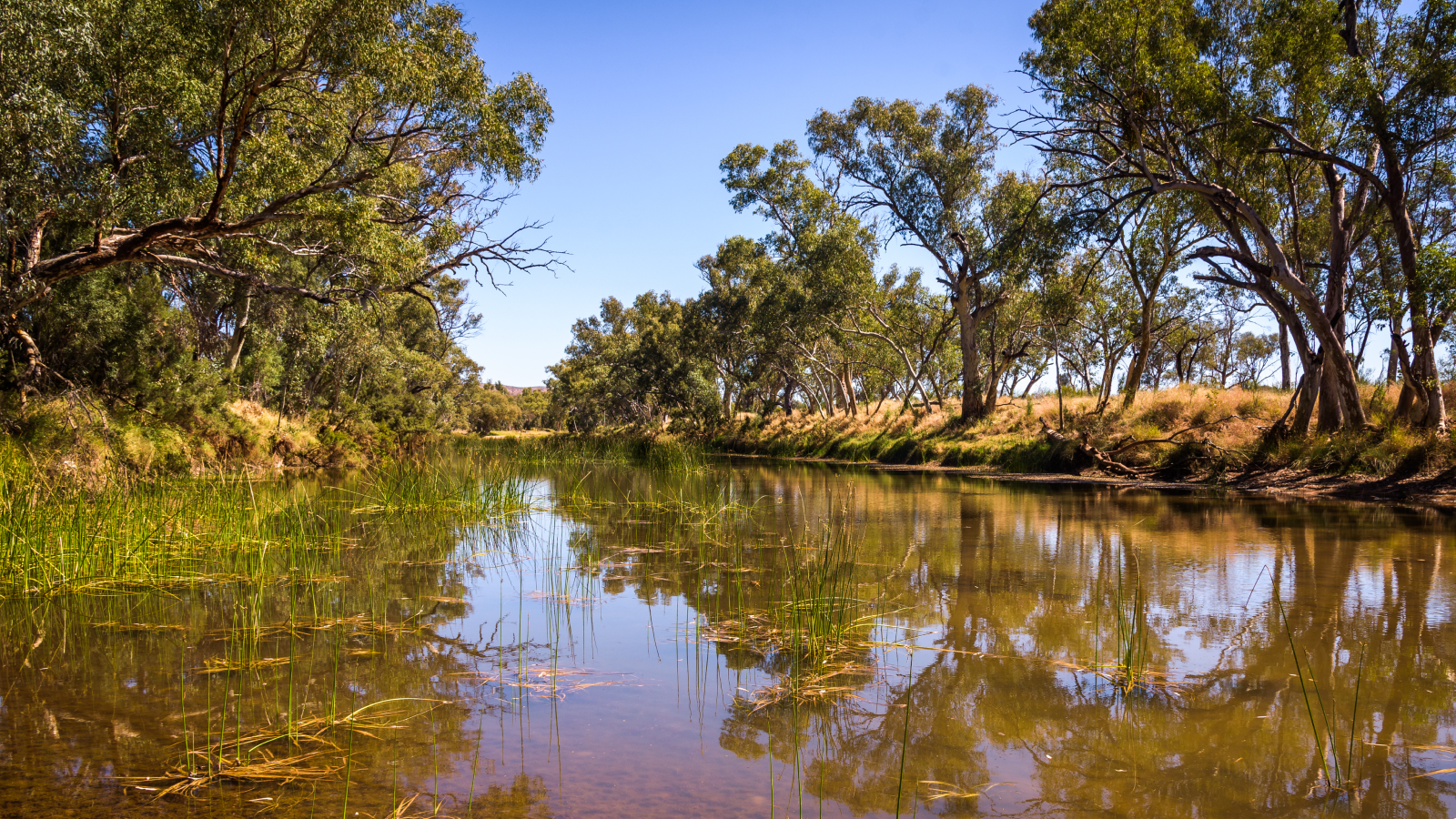 What's the oldest river in the world?
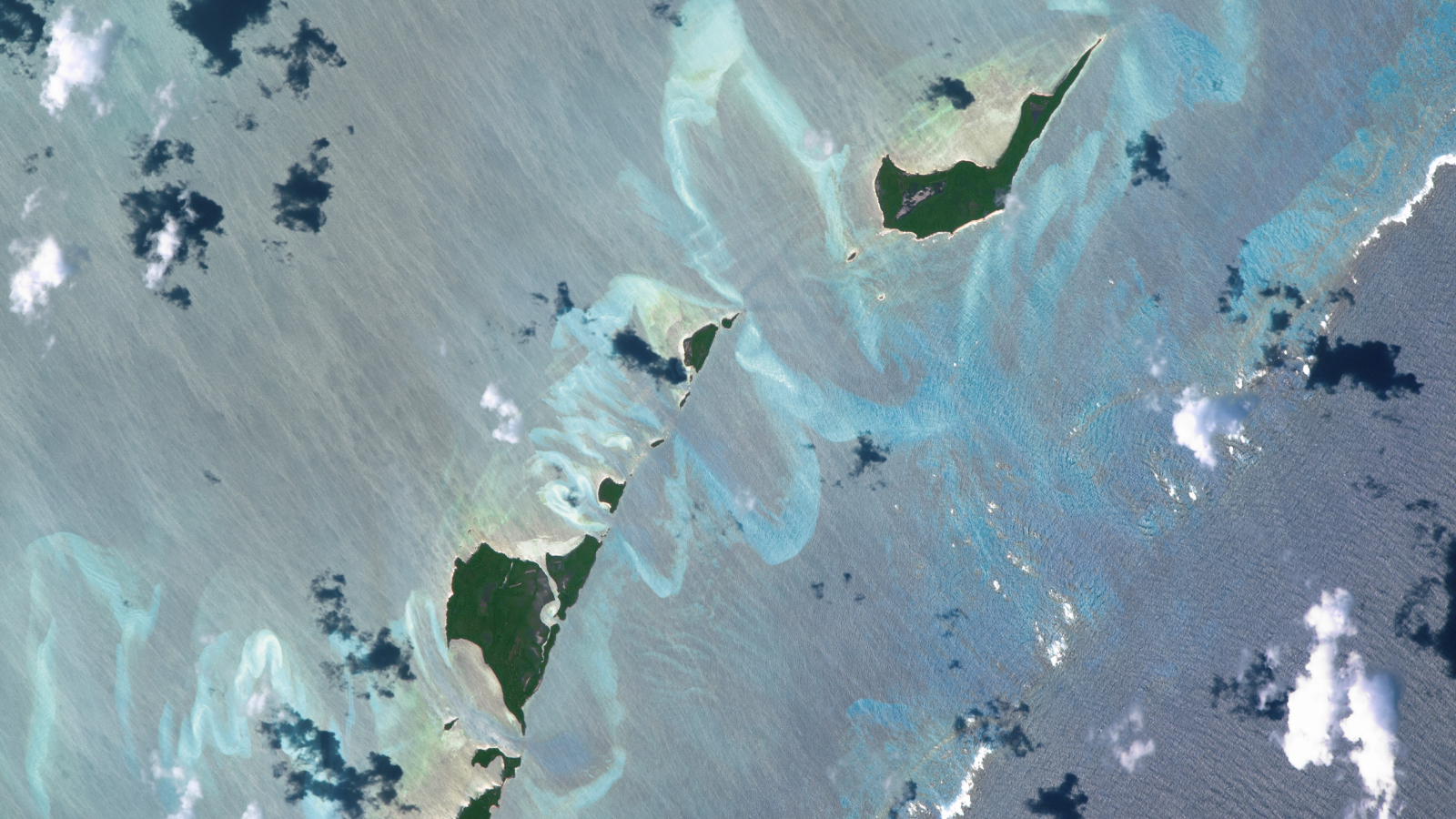 Submerged sandbanks shine like underwater auroras in astronaut's view of the Bahamas
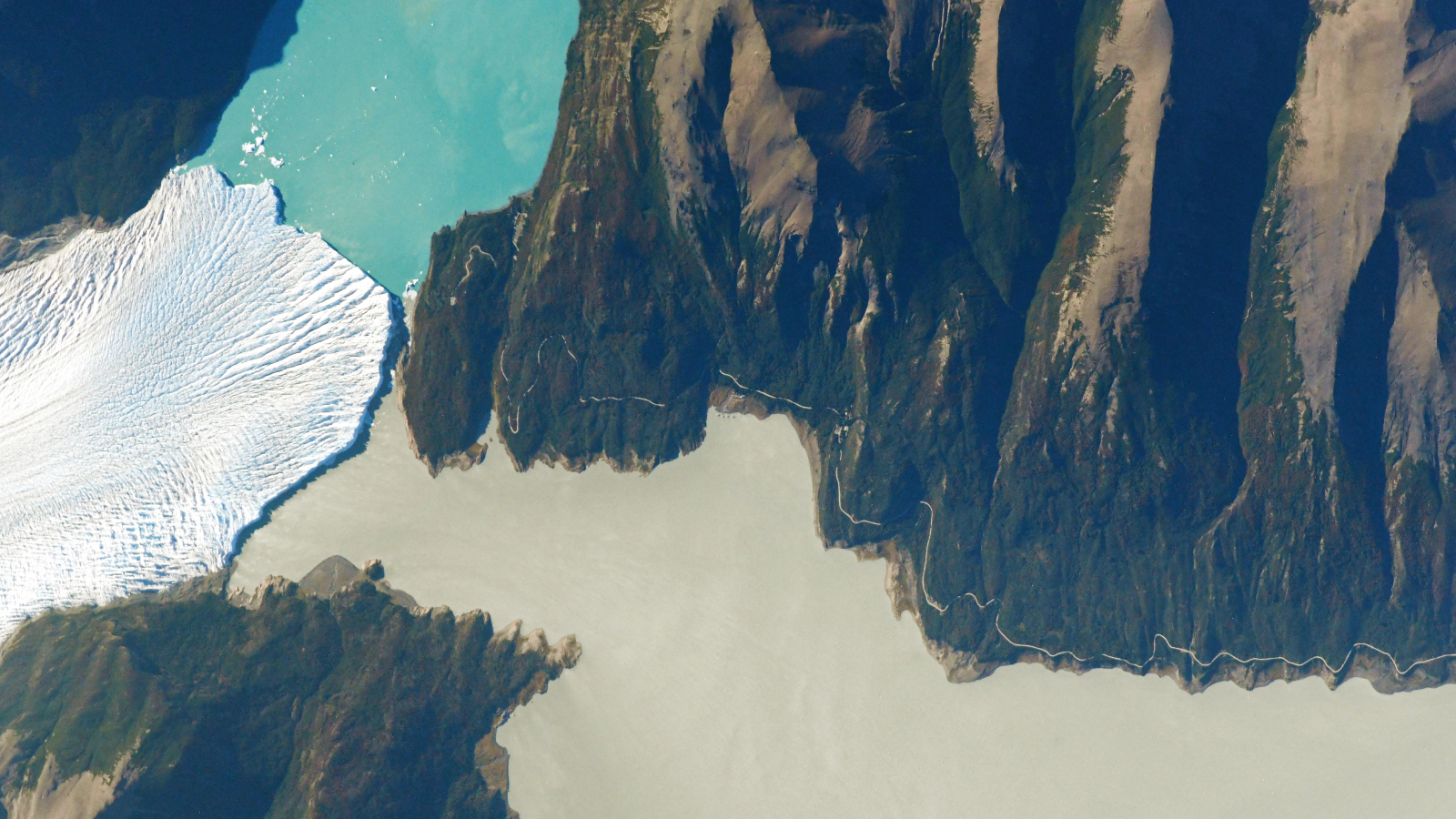 See the exact point where a glacier, a lake and a river 'touch' in Argentina
Latest in News
See the exact point where a glacier, a lake and a river 'touch' in Argentina
Latest in News
 2,500 years ago, people in Bulgaria ate dog meat at feasts and as a delicacy, archaeological study finds
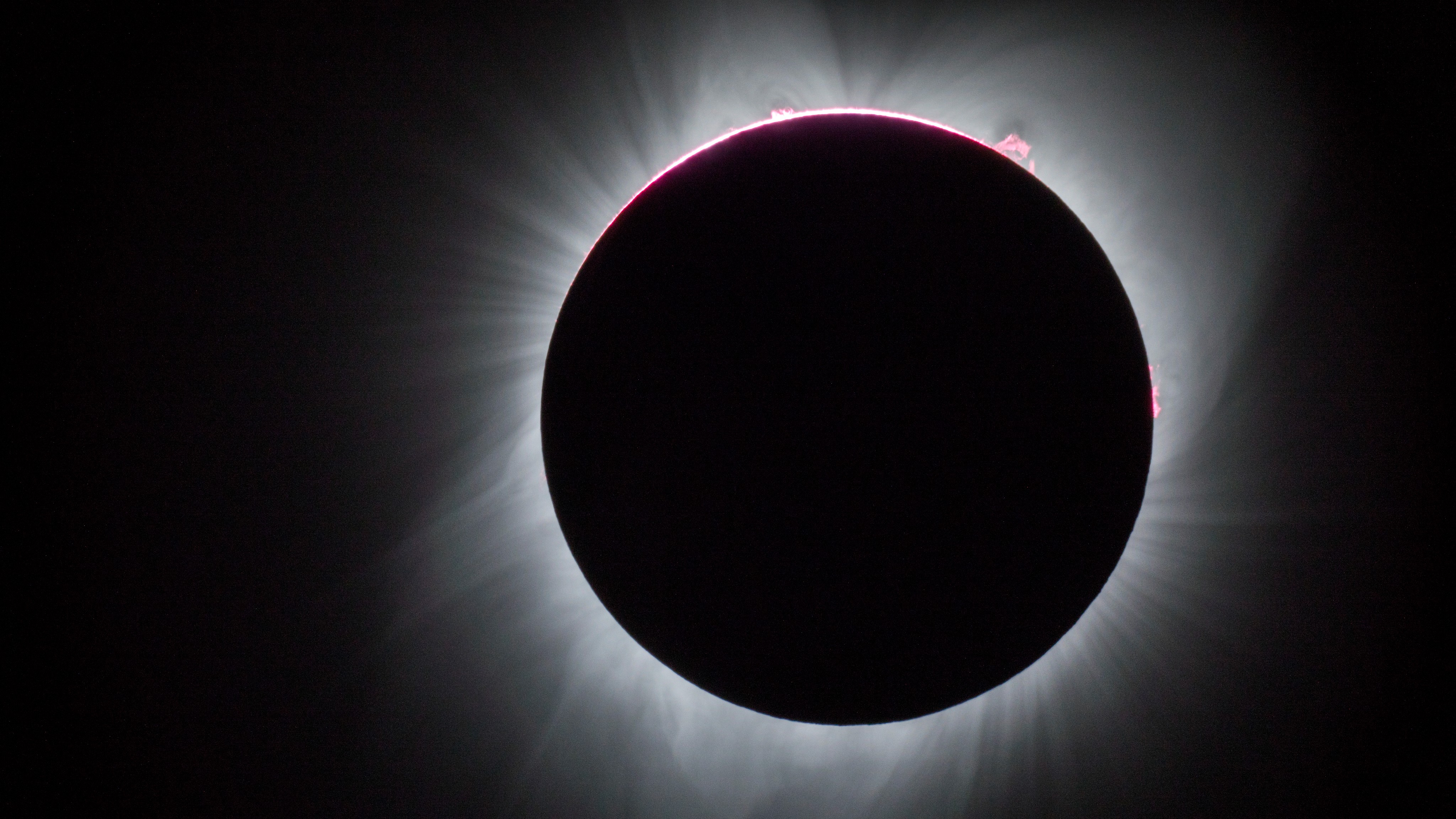 How to see 2 total solar eclipses in the next 2 years — including the 'eclipse of the century'
 A drying climate is making East Africa pull apart faster
 480,000-year-old ax sharpener is the oldest known elephant bone tool ever discovered in Europe
 People, not glaciers, transported rocks to Stonehenge, study confirms
 Some of the oldest harpoons ever found reveal Indigenous people in Brazil were hunting whales 5,000 years ago
LATEST ARTICLES
Some of the oldest harpoons ever found reveal Indigenous people in Brazil were hunting whales 5,000 years ago
LATEST ARTICLES 1Antibiotic resistance is the 'silent pandemic' — here are four steps to stop it
- 2How to see 2 total solar eclipses in the next 2 years — including the 'eclipse of the century'
- 3 A drying climate is making East Africa pull apart faster
- 4Google Glass has found yet another lease of life — but is it too little too late for smart glasses?
- 5James Webb telescope peers into 'Eye of God' and finds clues to life's origins — Space photo of the week