- Space
- Astronomy
- The Sun
Earth's magnetic field was struck by a "severe" solar storm Monday (Jan. 19), triggering vibrant auroras in the U.S. and large parts of Europe. The storm broke a record that had stood for more than two decades.
When you purchase through links on our site, we may earn an affiliate commission. Here’s how it works.
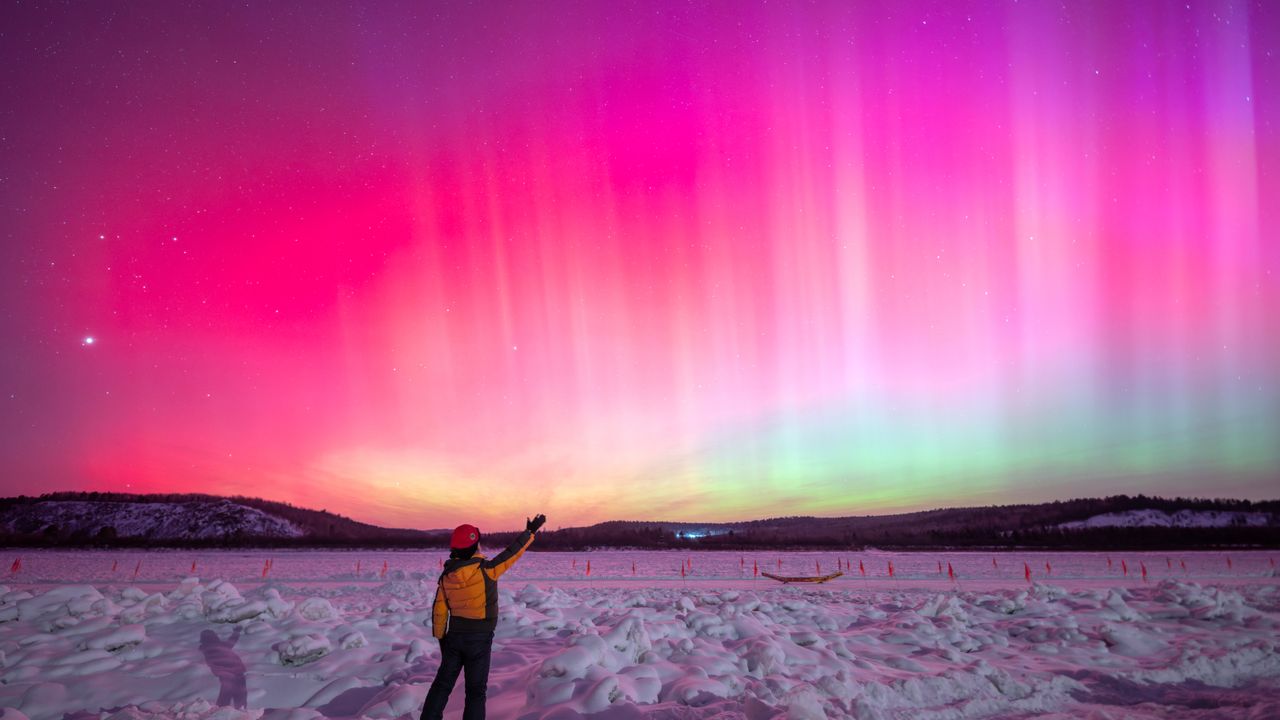
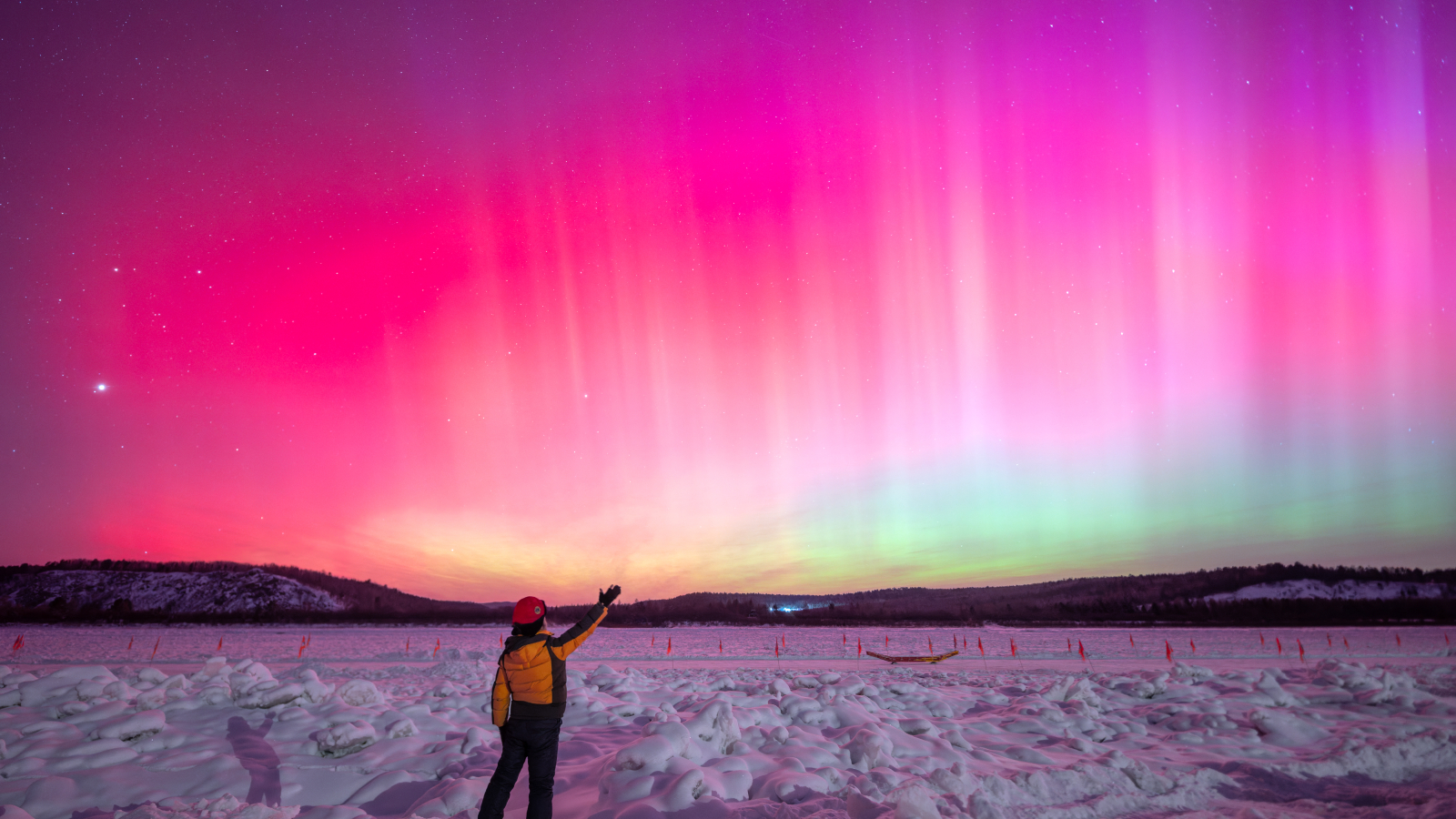 A geomagnetic storm starting on Monday (Jan. 19) has painted widespread aurora displays across the Northern Hemisphere, particularly in Europe. (This photo was captured in China's Heilongjiang Province.)
(Image credit: Chi Shiyong/VCG via Getty Images)
Share
Share by:
A geomagnetic storm starting on Monday (Jan. 19) has painted widespread aurora displays across the Northern Hemisphere, particularly in Europe. (This photo was captured in China's Heilongjiang Province.)
(Image credit: Chi Shiyong/VCG via Getty Images)
Share
Share by:
- Copy link
- X
Update, Wednesday (Jan. 21) at 11 a.m. ET: Geomagnetic conditions are starting to settle, but auroras are still highly likely in the northern tier of the United States tonight, according to NOAA's latest forecasts. Strong (G3-level) geomagnetic storms remain possible overnight, so be sure to check the skies after dark.
Some outlets have reported that the storm is the "largest" of its kind since 2003, which is an exaggeration (the "Mother's Day storm" of May 2024 was much stronger). However, the latest outburst has broken a specific 23-year-old solar radiation record.
You may like-
 'Severe' solar storm brings auroras as far south as Florida — and more are on the way tonight
-
 Giant sunspot that triggered recent solar 'superstorm' shot out nearly 1,000 flares and a secret X-rated explosion, record-breaking study reveals
-
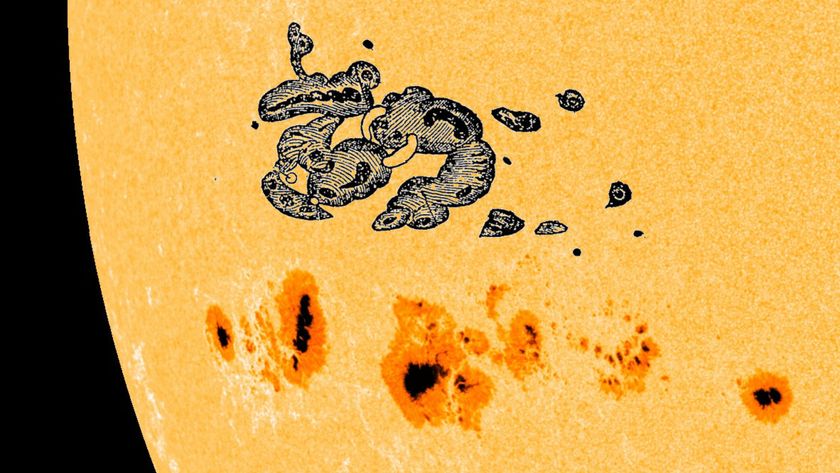 Giant sunspot on par with the one that birthed the Carrington Event has appeared on the sun — and it's pointed right at Earth
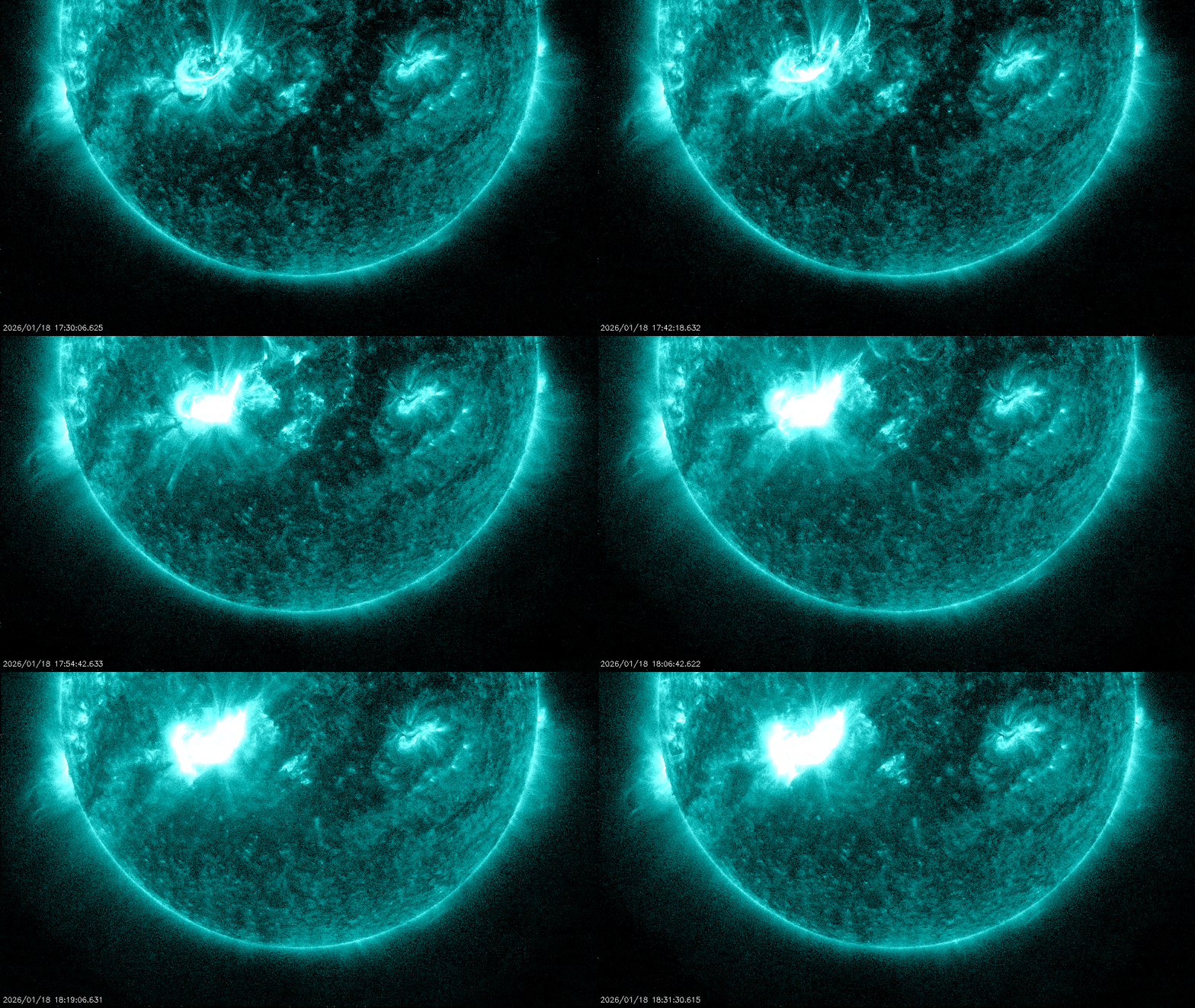
The geomagnetic storm began on Monday (Jan. 19), when a fast-moving cloud of solar radiation, or coronal mass ejection (CME), slammed into Earth's magnetosphere, temporarily disrupting the invisible magnetic field lines surrounding our planet and allowing charged particles to penetrate deeper into the atmosphere. The CME was initially released on Sunday (Jan. 18) when an X1.9 magnitude solar flare suddenly exploded from a dark patch near the sun's equator, Live Science's sister site Space.com reported.
Geomagnetic activity first peaked at 2:38 p.m. EST, when the storm reached G4 ("severe") status, according to the National Oceanic and Atmospheric Administration's (NOAA) Space Weather Prediction Center (SWPC). The storm calmed slightly before reaching G4 status again at 3:23 a.m. EST on Tuesday (Jan. 20), according to a second SWPC report.
G4 is the second-highest level a geomagnetic storm can reach. Under these conditions, solar radiation can cause temporary radio blackouts, disrupt or damage orbiting spacecraft and impact some ground-based infrastructure. However, it is too early to tell what specific issues this storm caused, if any.
There were widespread aurora displays across the U.K. and parts of Europe — including France, Germany, Switzerland, Austria, Belgium, Norway, Denmark, the Netherlands and Croatia — where the sun had already set before the storm peaked, according to Spaceweather.com.
Sign up for the Live Science daily newsletter nowContact me with news and offers from other Future brandsReceive email from us on behalf of our trusted partners or sponsorsBy submitting your information you agree to the Terms & Conditions and Privacy Policy and are aged 16 or over.Experts had predicted that up to 24 U.S. states would see auroras during the storm, according to Space.com. It is unclear if this actually happened, especially as the storm's first peak occurred before sunset in North America. However, skywatchers as far south as Alabama, Georgia, New Mexico and California reported seeing auroras overnight, according to Spaceweather.com.
More auroras are possible tonight, according to Space.com's latest aurora forecast. However, the storm is not expected to reintensify to G4 status.
Image 1 of 3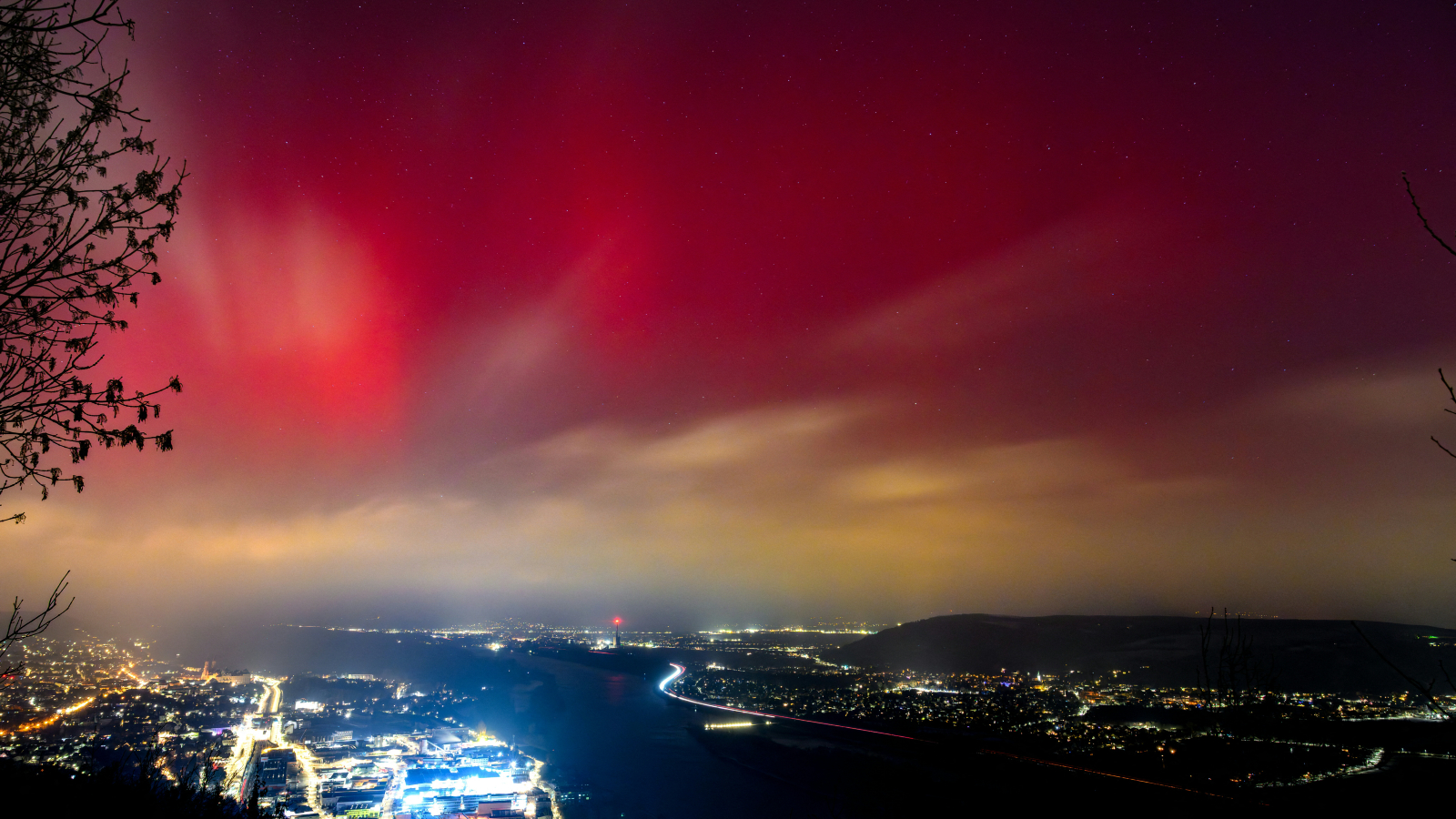 Vibrant red auroras were spotted above Austria's capital city, Vienna, on Jan.19.(Image credit: MAX SLOVENCIK / APA / AFP via Getty Images)
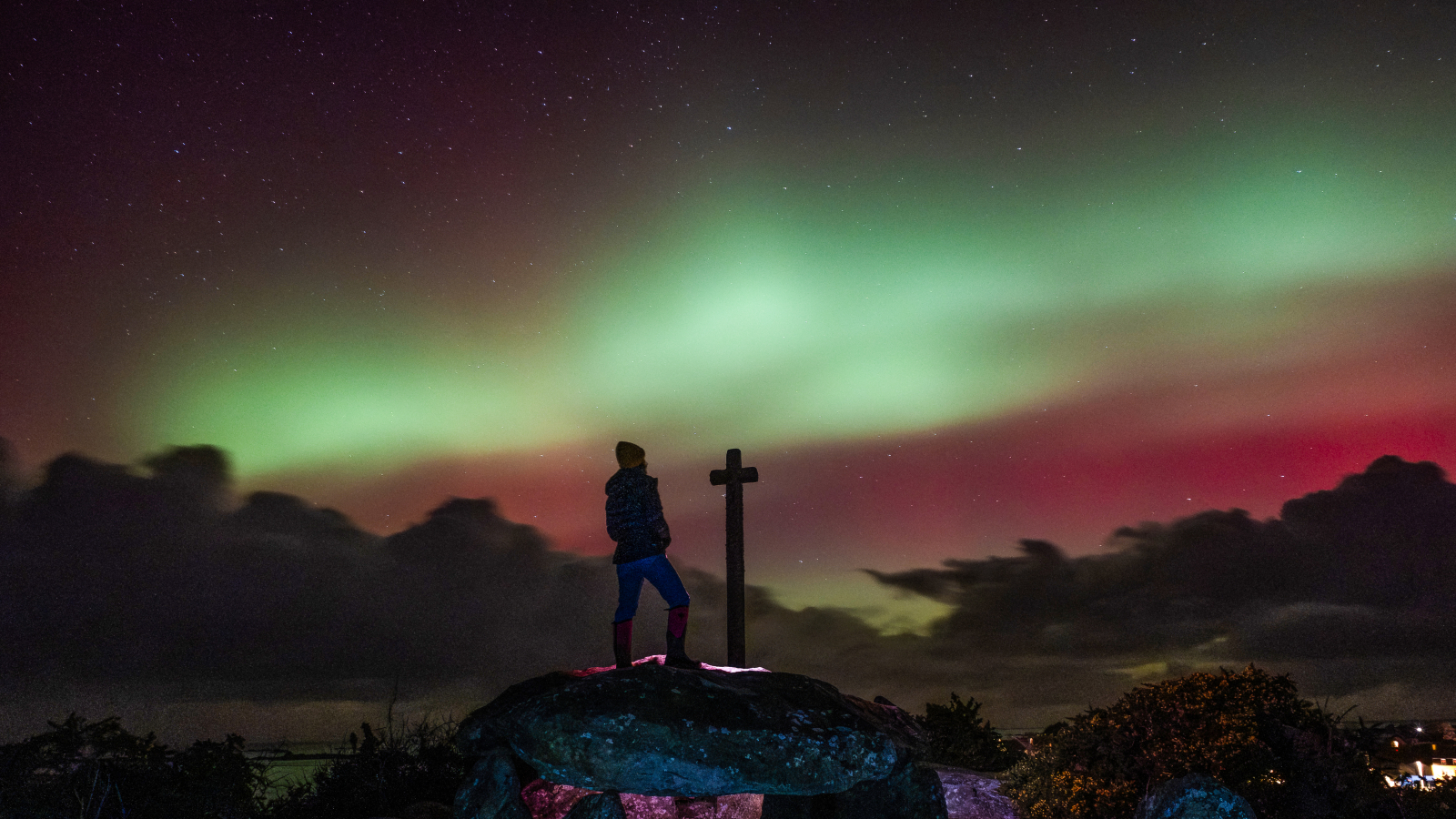 Skywatchers in western France were treated to some stunning green auroras.(Image credit: Oscar Chuberre / AFP via Getty Images)
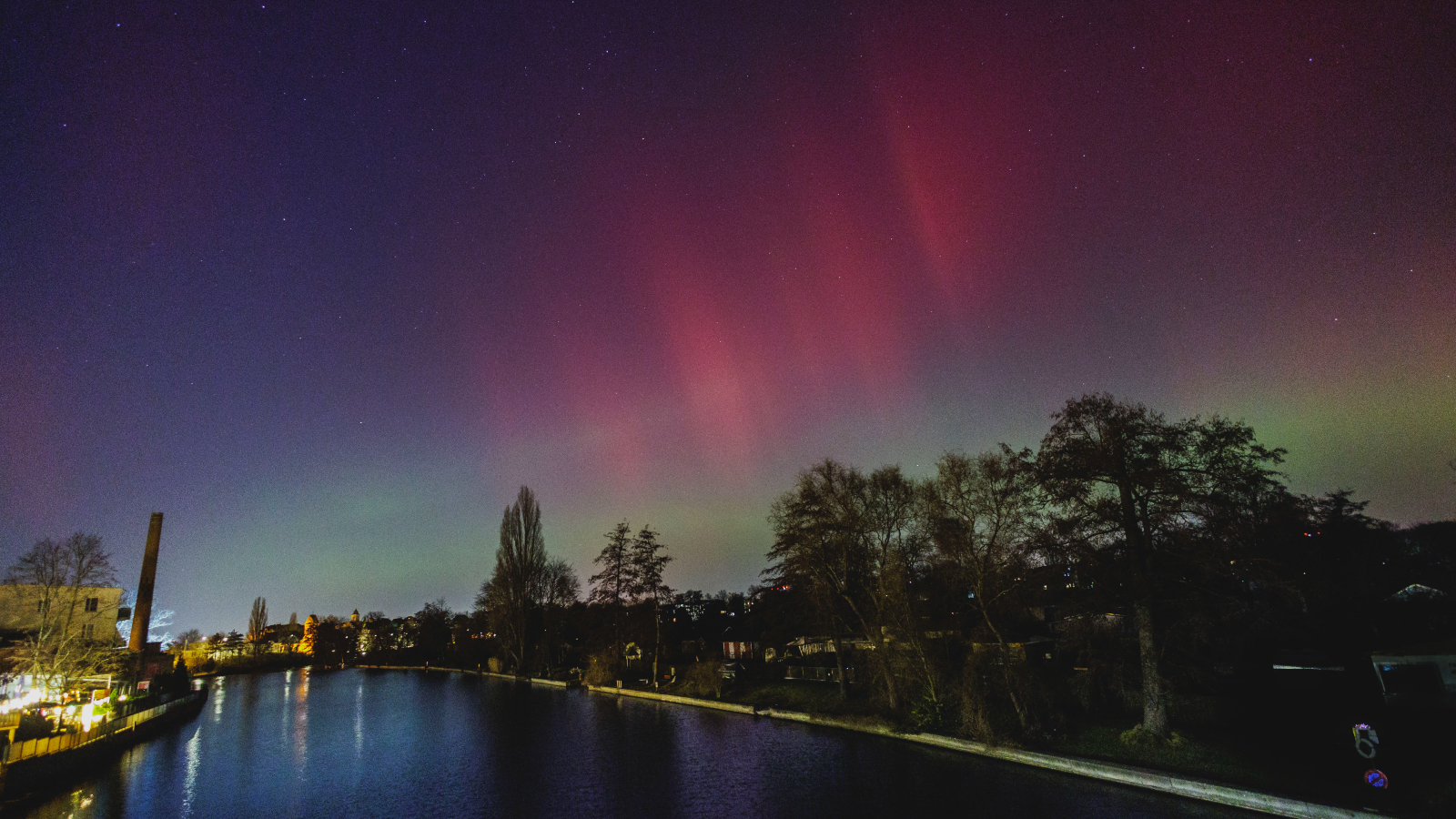 Auroras were also spotted shining above Berlin.(Image credit: Florian Gaertner/Photothek via Getty Images)
A 23-year record
Despite some initial reports, last night's display was not the biggest geomagnetic storm of the past two decades. That title goes to the "Mother's Day storm" of May 2024, which reached G5 ("extreme") status for the first time since the infamous "Halloween solar storms" of 2003.
You may like-
'Severe' solar storm brings auroras as far south as Florida — and more are on the way tonight
-
Giant sunspot on par with the one that birthed the Carrington Event has appeared on the sun — and it's pointed right at Earth
-
 That was the week in science: Comet 3I/ATLAS glows green | Roman roads | Bear attacks
The 2024 storm was triggered by at least five successive CMEs that exploded from an unusually active sunspot, saturating the upper atmosphere with radiation for three days. This caused some of the most widespread auroras in centuries and temporarily transformed the "radiation belts" surrounding our planet.
However, while the latest storm did not reach the heights of 2024's disturbance, it was one of the most powerful "solar radiation storms" on record.
RELATED STORIES—We are fast approaching the sun's 'battle zone' — and it could be even worse than solar maximum, experts warn
—'The sun is slowly waking up': NASA warns that there may be more extreme space weather for decades to come
—The next Carrington-level solar superstorm could wipe out 'all our satellites,' new simulations reveal
The term solar radiation storm refers to a solar outburst, like a CME, as it travels through space, rather than the actual effect it has on our planet. Big radiation storms often lead to powerful geomagnetic storms, but other factors influence how Earth's magnetic field will respond, such as the orientation of the incoming radiation and its magnetic configuration.
The solar radiation storm that sparked last night's auroras reached S4 ("severe") status — the equivalent of G4 on the solar radiation storm scale. This is the first time this has happened since 2003's Halloween storms, SWPC representatives wrote on the social platform X.
 Harry BakerSocial Links NavigationSenior Staff Writer
Harry is a U.K.-based senior staff writer at Live Science. He studied marine biology at the University of Exeter before training to become a journalist. He covers a wide range of topics including space exploration, planetary science, space weather, climate change, animal behavior and paleontology. His recent work on the solar maximum won "best space submission" at the 2024 Aerospace Media Awards and was shortlisted in the "top scoop" category at the NCTJ Awards for Excellence in 2023. He also writes Live Science's weekly Earth from space series.
Show More CommentsYou must confirm your public display name before commenting
Please logout and then login again, you will then be prompted to enter your display name.
Logout Read more 'Severe' solar storm brings auroras as far south as Florida — and more are on the way tonight
 Giant sunspot on par with the one that birthed the Carrington Event has appeared on the sun — and it's pointed right at Earth
 That was the week in science: Comet 3I/ATLAS glows green | Roman roads | Bear attacks
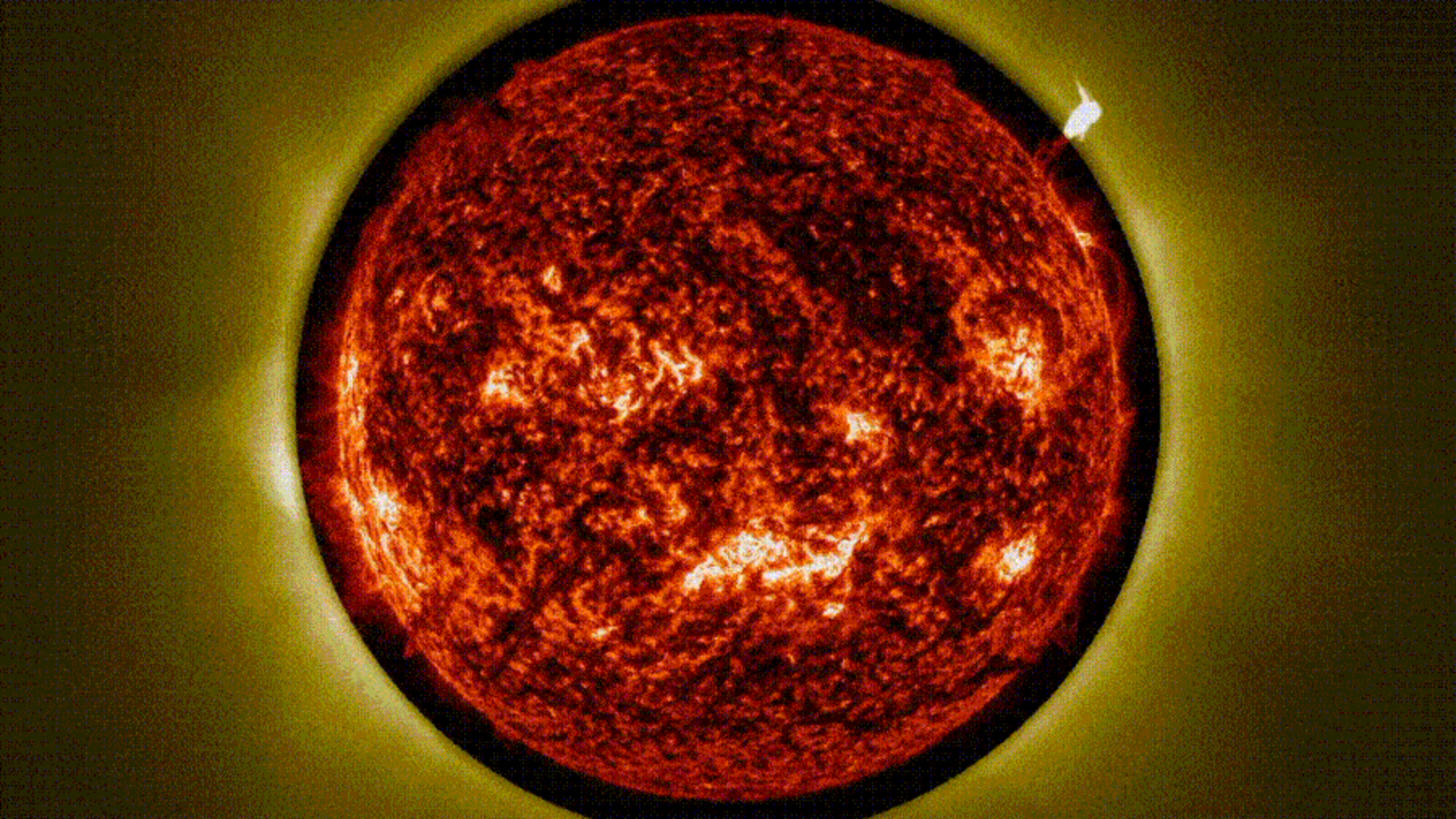 Stunning time-lapse video captured using 'artificial eclipse' shows 3 massive eruptions on the sun
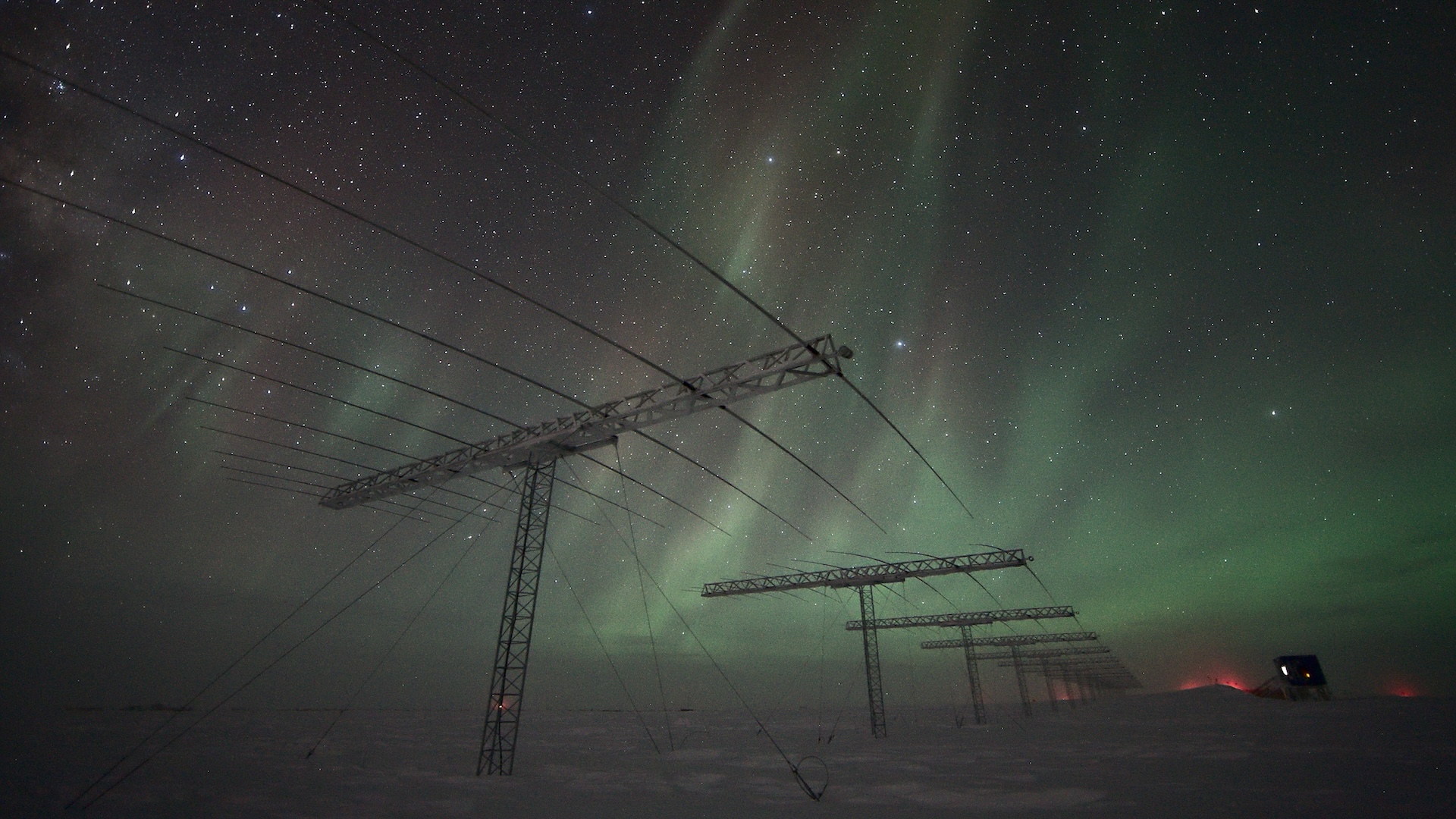 Earth's magnetic field has a weak spot — and it's getting bigger, putting astronauts and satellites at risk
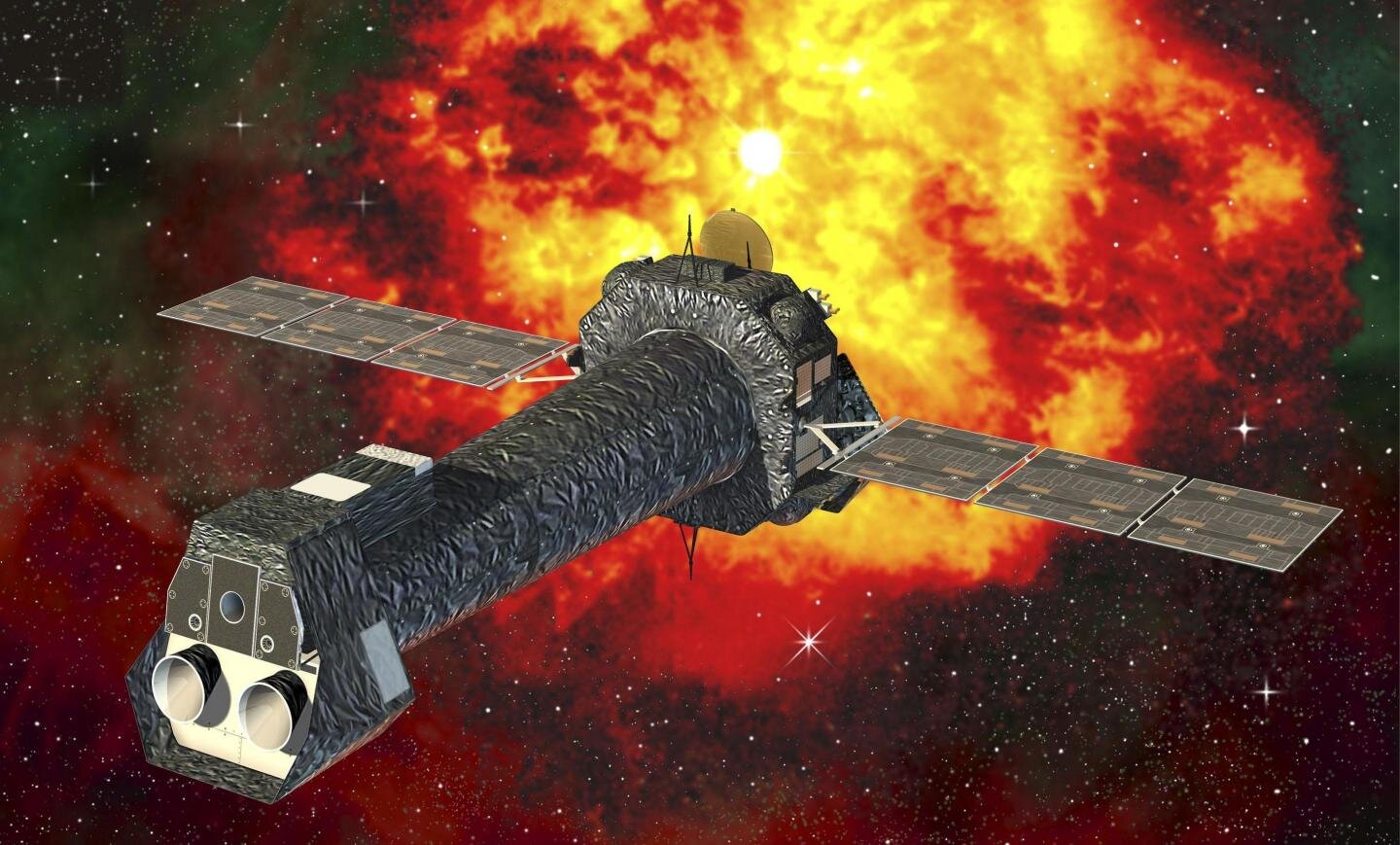 Scientists detect monster blast from nearby star that could rip the atmosphere off a planet
Latest in The Sun
Stunning time-lapse video captured using 'artificial eclipse' shows 3 massive eruptions on the sun
Scientists detect monster blast from nearby star that could rip the atmosphere off a planet
Latest in The Sun
Stunning time-lapse video captured using 'artificial eclipse' shows 3 massive eruptions on the sun
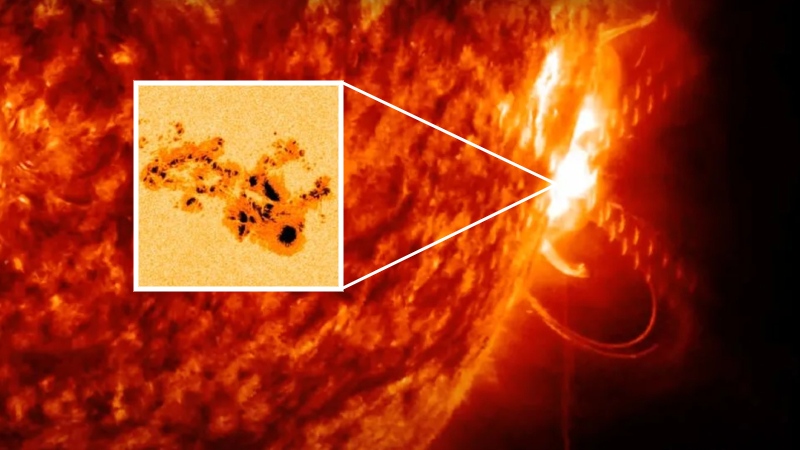 Giant sunspot that triggered recent solar 'superstorm' shot out nearly 1,000 flares and a secret X-rated explosion, record-breaking study reveals
 Is the sun really a dwarf star?
Giant sunspot on par with the one that birthed the Carrington Event has appeared on the sun — and it's pointed right at Earth
Is the sun really a dwarf star?
Giant sunspot on par with the one that birthed the Carrington Event has appeared on the sun — and it's pointed right at Earth
 Astrophotographer snaps 'absolutely preposterous' photo of skydiver 'falling' past the sun's surface
'Severe' solar storm brings auroras as far south as Florida — and more are on the way tonight
Latest in News
Astrophotographer snaps 'absolutely preposterous' photo of skydiver 'falling' past the sun's surface
'Severe' solar storm brings auroras as far south as Florida — and more are on the way tonight
Latest in News
 'Pain sponge' derived from stem cells could soak up pain signals before they reach the brain
 An ocean the size of the Arctic once covered half of Mars, new images hint
 Arctic blast probably won't cause trees to explode in the cold — but here's what happens if and when they do go boom
 Wegovy now comes in pill form — here's how it works
 'Earthquake on a chip' uses 'phonon' lasers to make mobile devices more efficient
 Creepy robotic hand detaches at the wrist before scurrying away to collect objects
LATEST ARTICLES
Creepy robotic hand detaches at the wrist before scurrying away to collect objects
LATEST ARTICLES- 1'Earthquake on a chip' uses 'phonon' lasers to make mobile devices more efficient
- 2Chocolate Hills: The color-changing mounds in the Philippines that inspired legends of mud-slinging giants
- 3How to choose the best dehumidifier for your home this season
- 4Stream Will Smith's Pole to Pole and many more nature and science documentaries with a 33% saving in this limited-time Disney+ deal
- 5An ocean the size of the Arctic once covered half of Mars, new images hint