- Space
- Astronomy
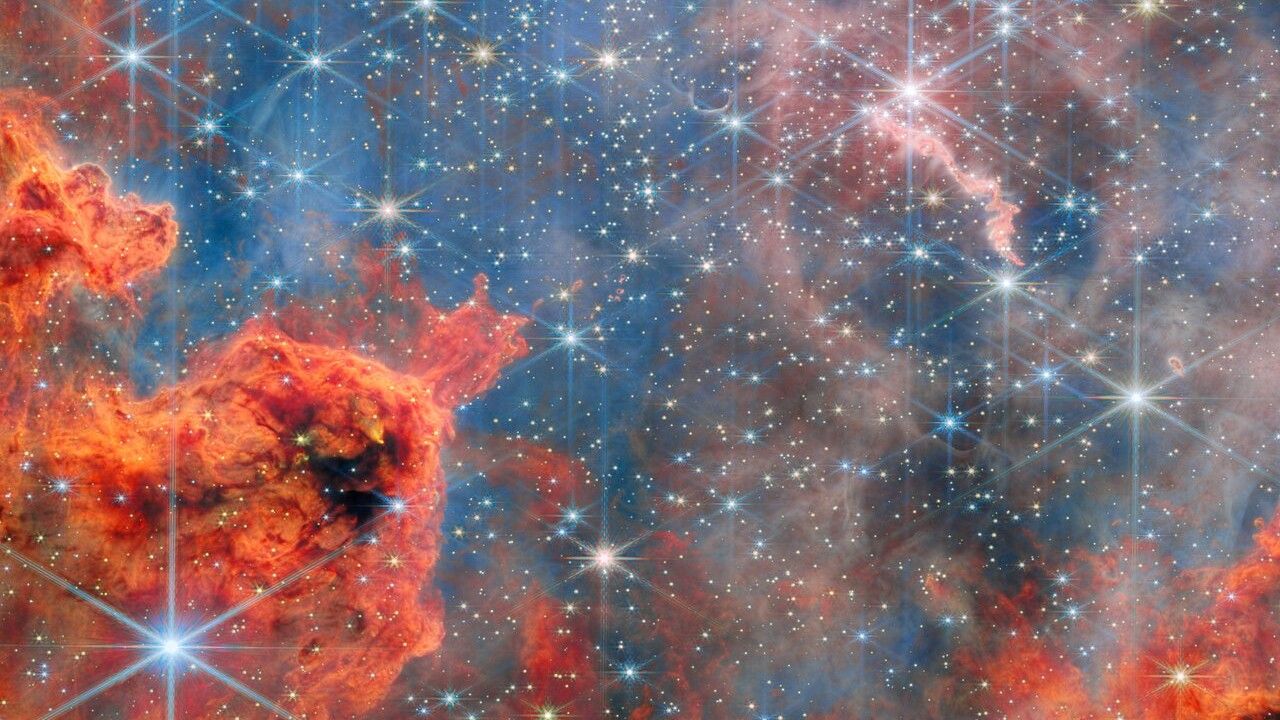
The James Webb Space Telescope captured a colorful portrait of a nearby stellar cradle, revealing a wealth of insights about countless stars.
When you purchase through links on our site, we may earn an affiliate commission. Here’s how it works.
 The Westerlund 2 star cluster is a nursery of young stars and 'failed stars' alike.
(Image credit: ESA/Webb, NASA & CSA, V. Almendros-Abad, M. Guarcello, K. Monsch, and the EWOCS team.)
Share
Share by:
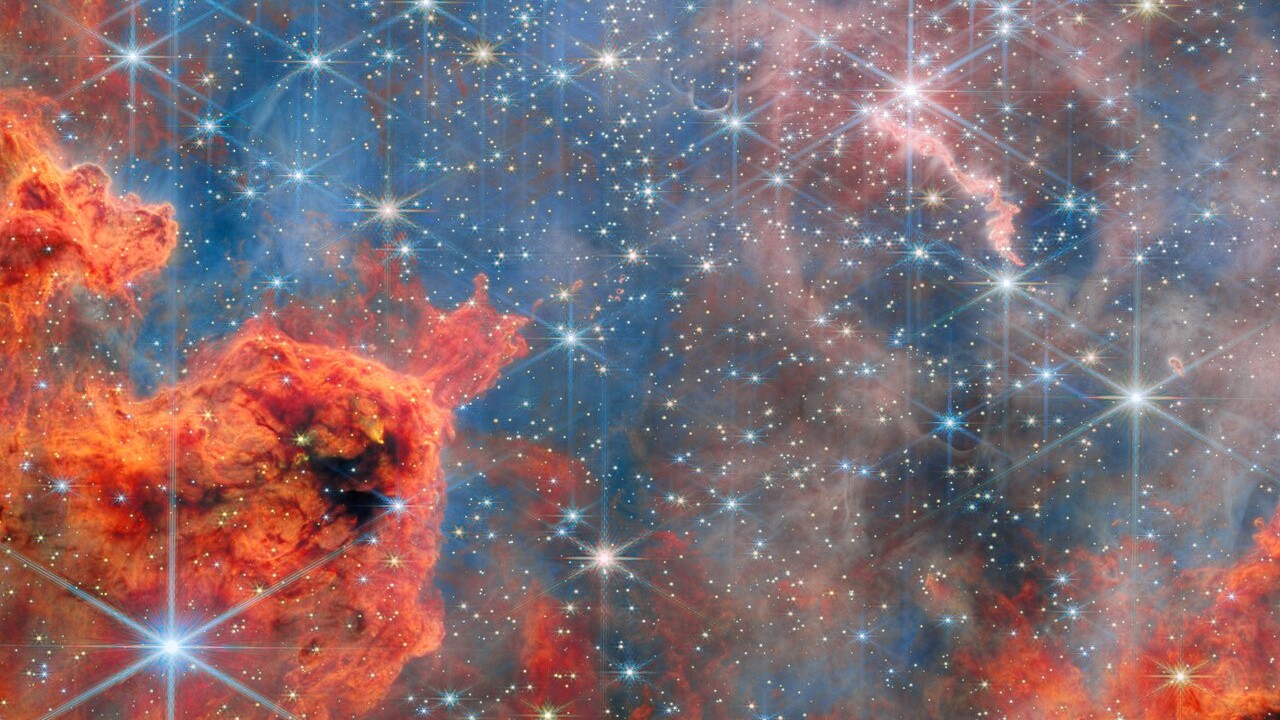
The Westerlund 2 star cluster is a nursery of young stars and 'failed stars' alike.
(Image credit: ESA/Webb, NASA & CSA, V. Almendros-Abad, M. Guarcello, K. Monsch, and the EWOCS team.)
Share
Share by:
- Copy link
- X
What it is: The star cluster Westerlund 2
Where it is: 20,000 light-years from Earth, in the constellation Carina
When it was shared: Dec. 19, 2025
Bordered by orange and brown clouds of gas and dust and filled with shimmering stars, this new image from the James Webb Space Telescope appears to show a portal to a cosmic wonderland.
The sparkling cluster is compact, measuring between 6 light-years and 13 light-years in diameter, and it is home to approximately 3,000 stars, according to a statement from the European Space Agency. Seen here at a young age of about 2 million years, this cluster contains some of the hottest, brightest and most massive stars in our galaxy.
You may like-
 Ethereal structure in the sky rivals 'Pillars of Creation' — Space photo of the week
-
 Stunning array of 400 rings in a 'reflection' nebula solves a 30-year-old star-formation mystery — Space photo of the week
-
 James Webb telescope spies a monstrous molecular cloud shrouded in mystery — Space photo of the week
Westerlund 2 was also captured by the Hubble Space Telescope 10 years ago to commemorate Hubble's 25th anniversary in orbit. That image, created using visible light and some near-infrared data, revealed the complex features of the cluster and its surrounding nebula, showcasing a stunning landscape of pillars, ridges, and valleys of dust.
Now, the James Webb Space Telescope has revealed an even more vibrant view of the cluster, which is teeming with bright young stars. This latest portrait combines infrared data from the telescope's Near-Infrared Camera and Mid-Infrared Instrument.
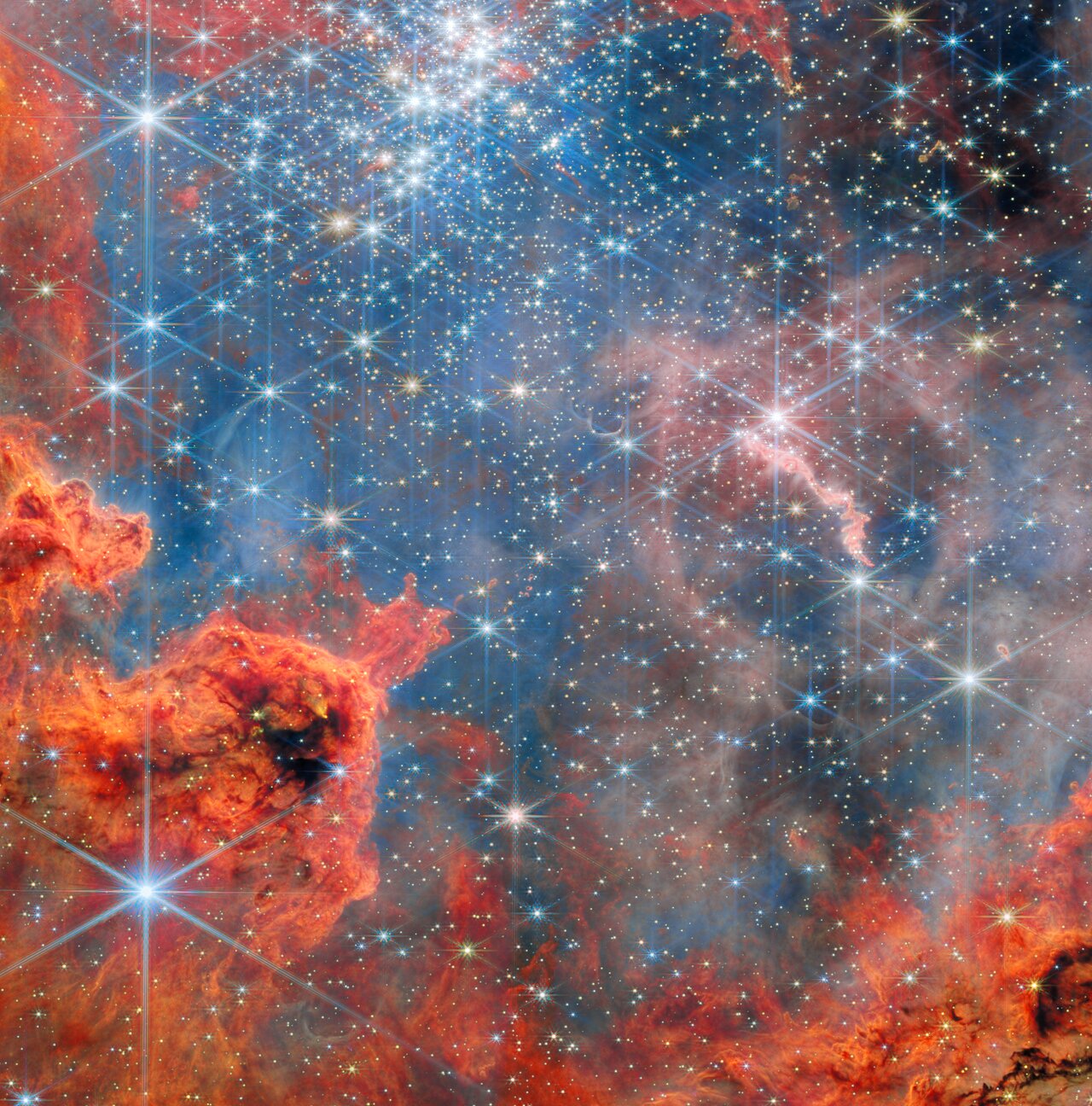
The stunning image highlights not only the young, massive stars but also the clouds and walls of dust shaped by their intense light. These sculpted regions are surrounded by wisps of orange and red gas, brilliantly illuminated by the powerful light of the nearby stars.
The entire scene is interconnected by a network of blue and pink wisps that appear to be material drifting off the scene. Several tiny stars look like they have just begun shining, still embedded in the thick cloud in which they formed. Larger and brighter stars that are much closer to us display an eight-pronged diffraction pattern created by the interaction of starlight with the telescope's instruments.
Sign up for the Live Science daily newsletter nowContact me with news and offers from other Future brandsReceive email from us on behalf of our trusted partners or sponsorsBy submitting your information you agree to the Terms & Conditions and Privacy Policy and are aged 16 or over.The twinkling display of countless stars is a result of a continuous cycle of star formation in which the baby stars in the stellar nursery blast out intense radiation that then heats the surrounding nebula and triggers new stars to form.
related stories—Stunning array of 400 rings in a 'reflection' nebula solves a 30-year-old star-formation mystery
—James Webb telescope spies a monstrous molecular cloud shrouded in mystery
—Glittering new James Webb telescope image shows an 'intricate web of chaos'
The new observations, taken across a wide range of infrared wavelengths, include bands that are sensitive to methane and polycyclic aromatic hydrocarbon (PAH) emission. While PAH emission traces heated gas and dust, methane traces low-mass cold objects. As a result, astronomers identified a population of brown dwarfs — or "failed stars" — including objects only about 10 times the mass of Jupiter.
Brown dwarfs are peculiar objects that straddle the line between stars and planets. They have masses in between those of typical stars and those of planets, ranging between 10 and 90 times the mass of Jupiter. However, they do not have enough mass to trigger nuclear fusion in their cores. The James Webb telescope's new observations could reveal insight into the different stages in a star's life and how planet-forming disks around massive stars work.
For more sublime space images, check out our Space Photo of the Week archives.
TOPICS James Webb Space Telescope space photo of the week Shreejaya KaranthaLive Science contributor
Shreejaya Karantha is a science writer specializing in astronomy, covering topics such as the sun, planetary science, stellar evolution, black holes, and early universe cosmology. Based in India, she works as a writer and research specialist at The Secrets of the Universe, where she contributes to scripts for research-based and explainer videos. Shreejaya holds a bachelor's degree in science and a master's degree in physics with a specialization in astrophysics.
Show More CommentsYou must confirm your public display name before commenting
Please logout and then login again, you will then be prompted to enter your display name.
Logout Read more Ethereal structure in the sky rivals 'Pillars of Creation' — Space photo of the week
 Webb reveals a fiery starburst in the Cigar Galaxy — Space photo of the week
 Giant 'diamond ring' sparkles 4,500 light-years away in the Cygnus constellation — Space photo of the week
 James Webb telescope celebrates Halloween with eerie image of a dying sun — it's what our own might look like one day
 Best space photos of 2025
 Unprecedented view of the Milky Way took 40,000 hours to construct — Space photo of the week
Latest in Astronomy
Unprecedented view of the Milky Way took 40,000 hours to construct — Space photo of the week
Latest in Astronomy
 Stunning time-lapse video captured using 'artificial eclipse' shows 3 massive eruptions on the sun
 Scientists see monster black hole 'reborn' after 100 million years of rest
 Earth hit by biggest 'solar radiation storm' in 23 years, triggering Northern Lights as far as Southern California
 James Webb telescope discovers earliest Type II supernova in the known universe
 James Webb telescope reveals sharpest-ever look at the edge of a supermassive black hole
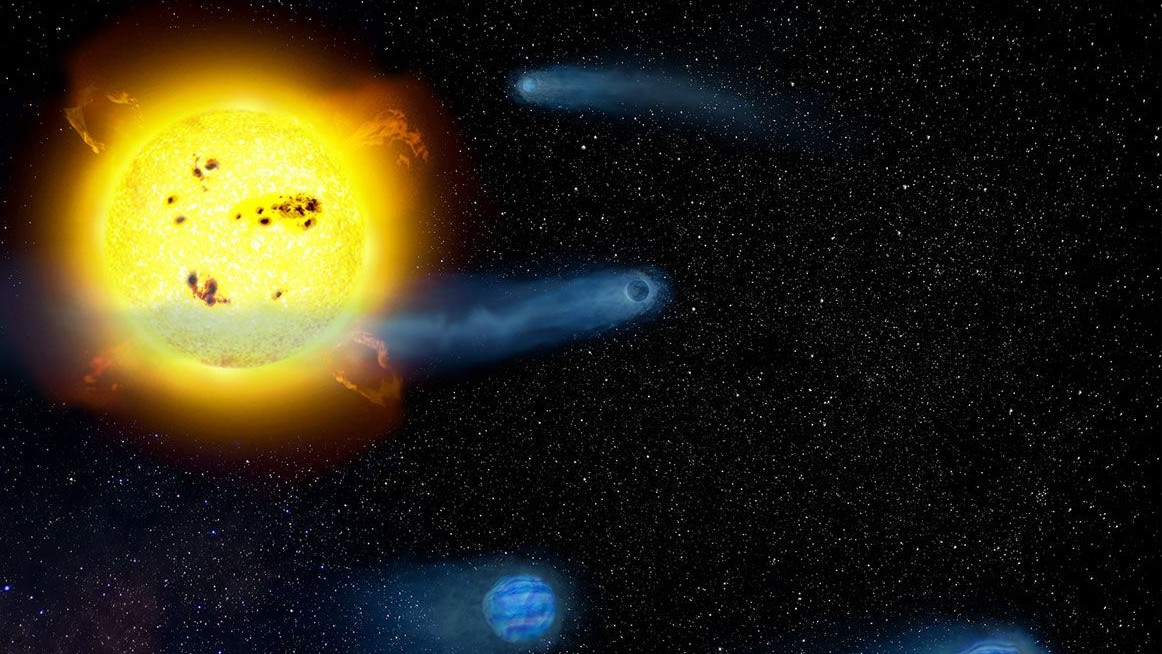 Strange discovery offers 'missing link' in planet formation
Latest in News
Strange discovery offers 'missing link' in planet formation
Latest in News
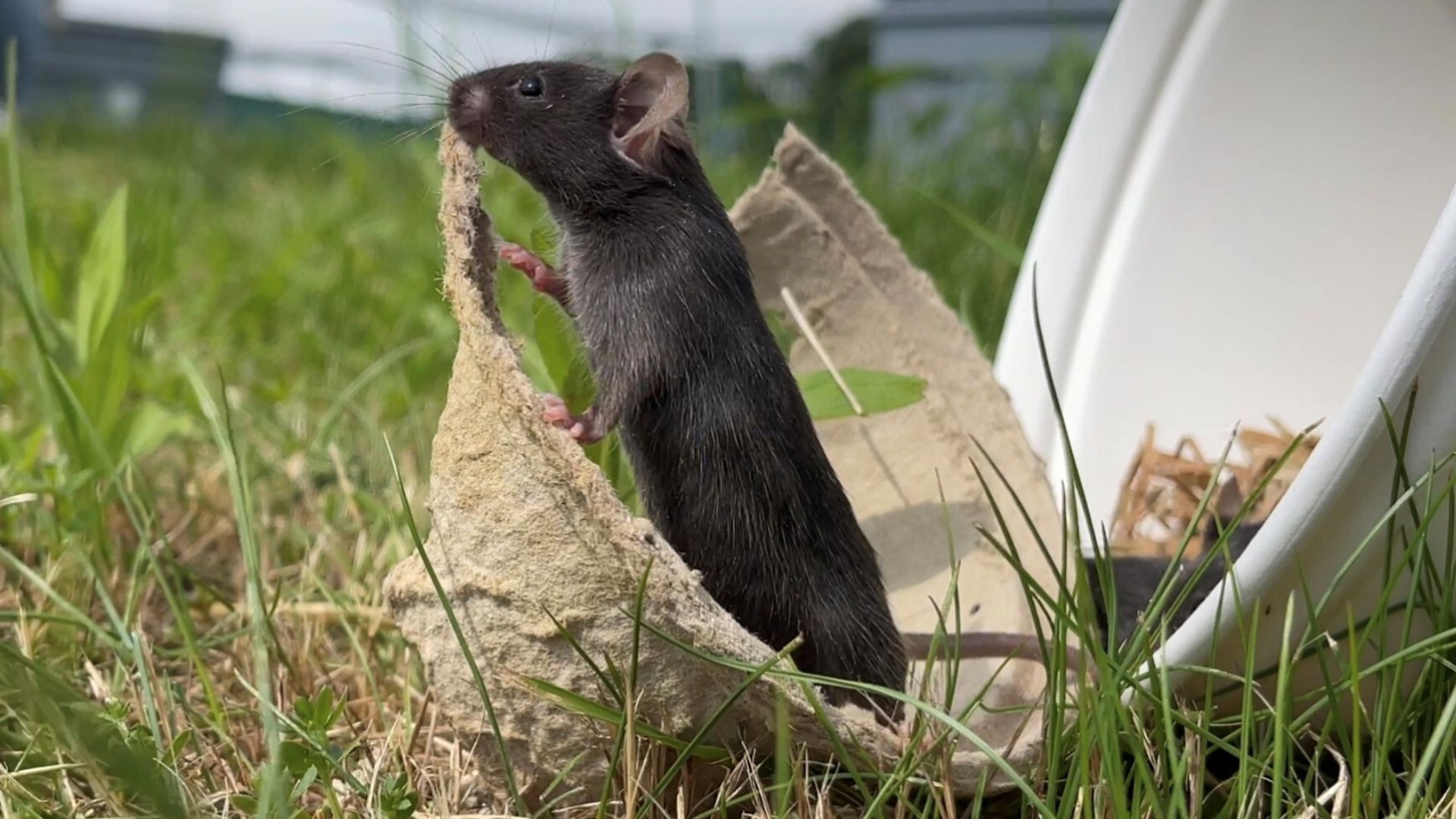 Lab mice that 'touch grass' are less anxious — and that highlights a big problem in rodent research
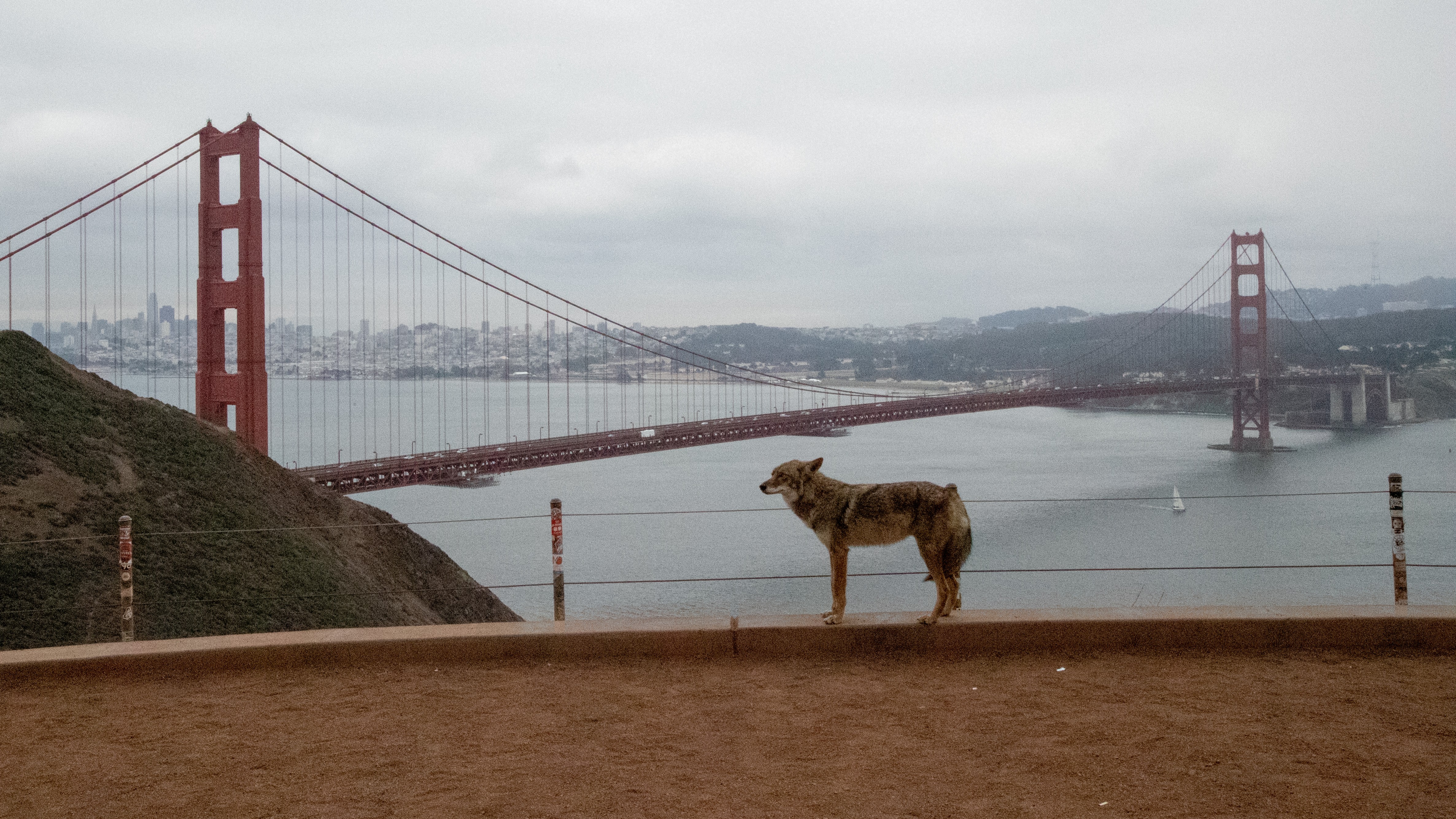 Coyote scrambles onto Alcatraz Island after perilous, never-before-seen swim
 Enormous freshwater reservoir discovered off the East Coast may be 20,000 years old and big enough to supply NYC for 800 years
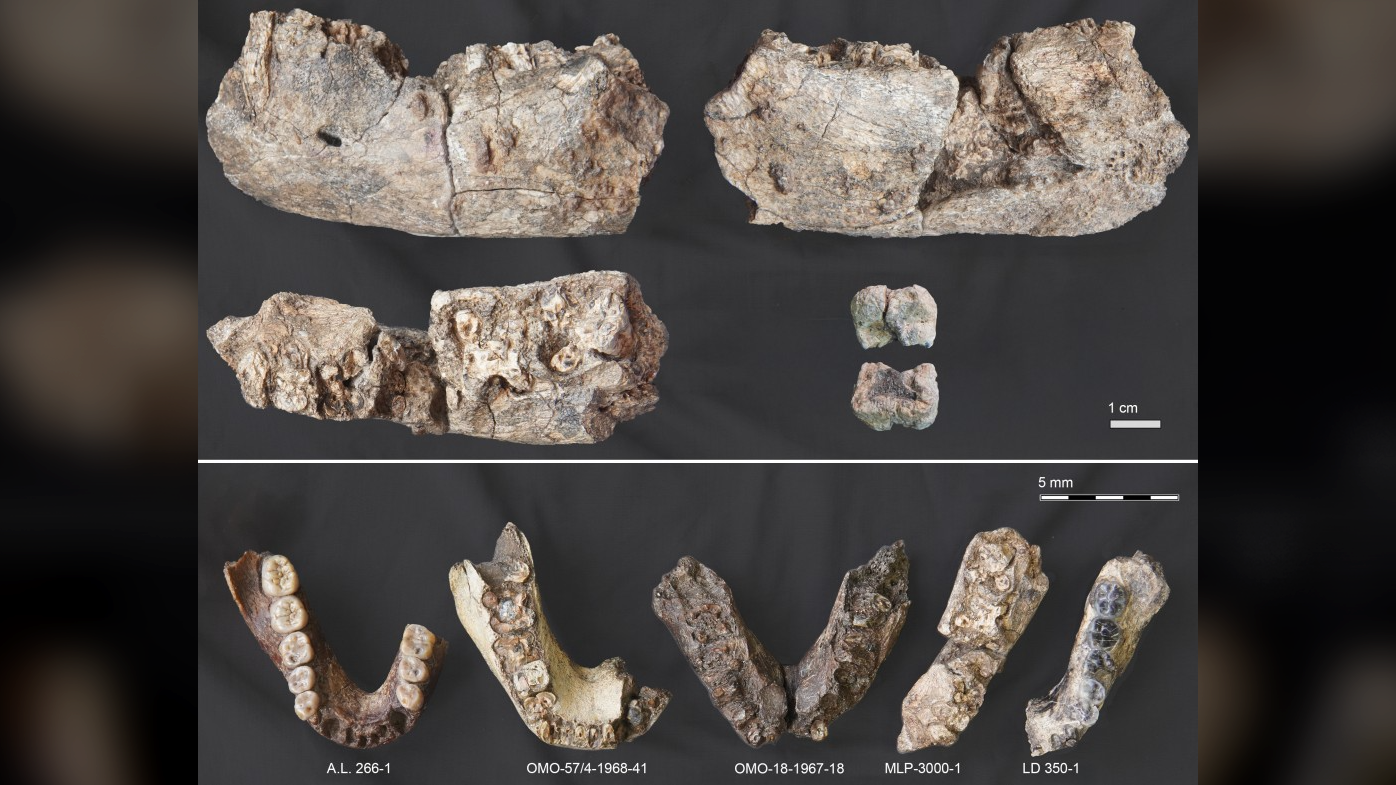 2.6 million-year-old jaw from extinct 'Nutcracker Man' is found where we didn't expect it
 2,400-year-old Hercules shrine and elite tombs discovered outside ancient Rome's walls
 Early research hints at why women experience more severe gut pain than men do
LATEST ARTICLES
Early research hints at why women experience more severe gut pain than men do
LATEST ARTICLES- 1Lab mice that 'touch grass' are less anxious — and that highlights a big problem in rodent research
- 22,400-year-old Hercules shrine and elite tombs discovered outside ancient Rome's walls
- 3Coyote scrambles onto Alcatraz Island after perilous, never-before-seen swim
- 4Stunning time-lapse video captured using 'artificial eclipse' shows 3 massive eruptions on the sun
- 5Enormous freshwater reservoir discovered off the East Coast may be 20,000 years old and big enough to supply NYC for 800 years